Your vehicle’s tyres are the only point of contact between your car and the road. When tyre need to change, your safety is at risk. Driving on worn-out tyres can lead to poor handling, increased braking distances, and even dangerous blowouts. This comprehensive guide will help you identify the warning signs that indicate it’s time for new tyres, ensuring you and your passengers remain safe on Indian roads.
1. Tread Depth: The Most Reliable Indicator
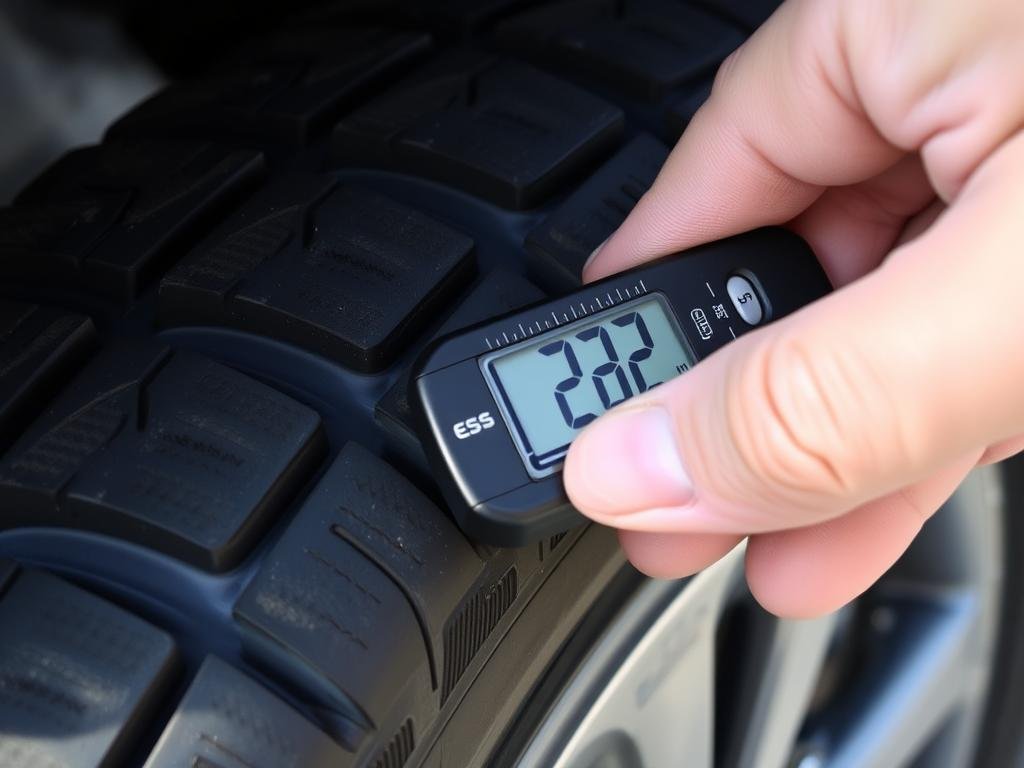
Using a tread depth gauge to check if your tyres need replacement
Tread depth is the most critical factor in determining when tyre need to change. New tyres typically have a tread depth of 8mm, but this gradually wears down with use. In India, the legal minimum tread depth is 1.6mm, though experts recommend replacing tyres when they reach 3mm for optimal safety.
How to Check Tread Depth
Safety Tip: Reduced tread depth significantly impacts braking distance, especially on wet roads. At 1.6mm, your stopping distance could be up to 60% longer compared to new tyres.
2. Uneven Tread Wear Patterns
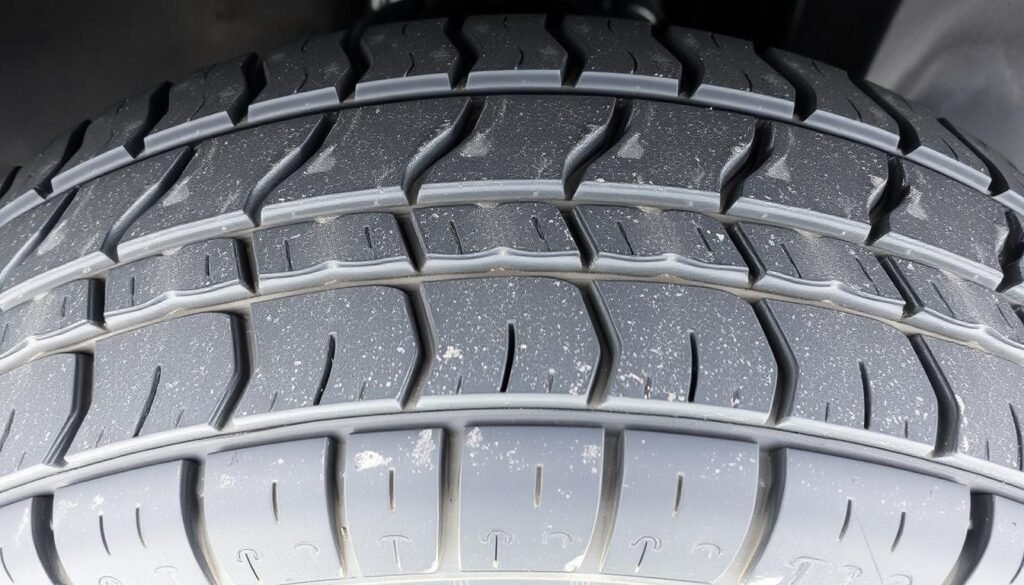
Even if your tread depth is above the minimum, uneven wear patterns indicate problems that may require tyre replacement. These patterns not only reduce tyre lifespan but can also signal alignment or suspension issues.
Common Wear Patterns
What to Do
If you notice uneven wear but the tyres still have adequate tread depth:
Need Professional Tyre Inspection?
Our experts can check your tyres for uneven wear patterns and recommend the best course of action.
3. Visible Damage: Cracks, Bulges, and Cuts

Sidewall cracks indicate rubber deterioration
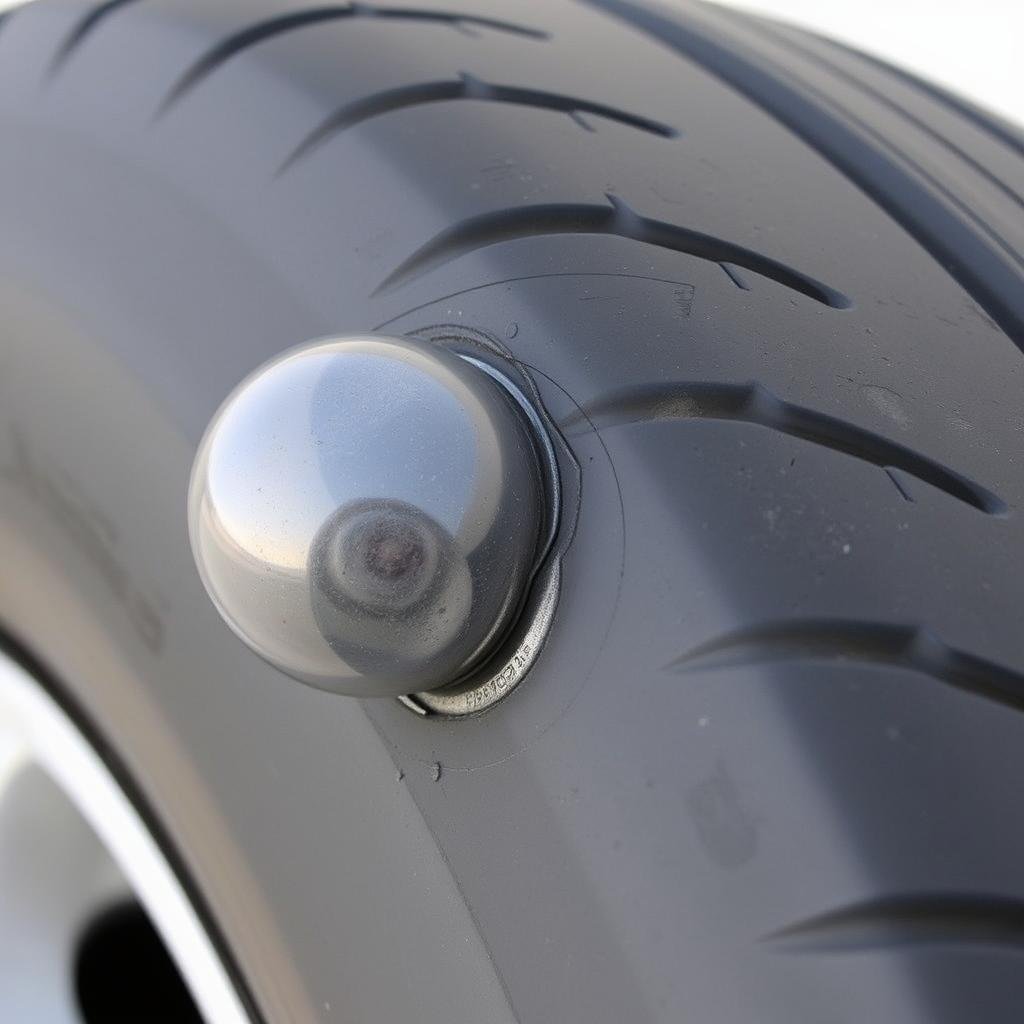
Bulges require immediate tyre replacement
Physical damage to tyres often necessitates immediate replacement, regardless of tread depth. Regular visual inspections can help identify these issues before they lead to dangerous failures.
Types of Visible Damage
Warning: Bulges or bubbles in your tyre sidewall indicate structural damage and risk of sudden blowout. Replace the tyre immediately and do not drive on it except to slowly reach a tyre shop.
4. Tyre Age: The Silent Factor
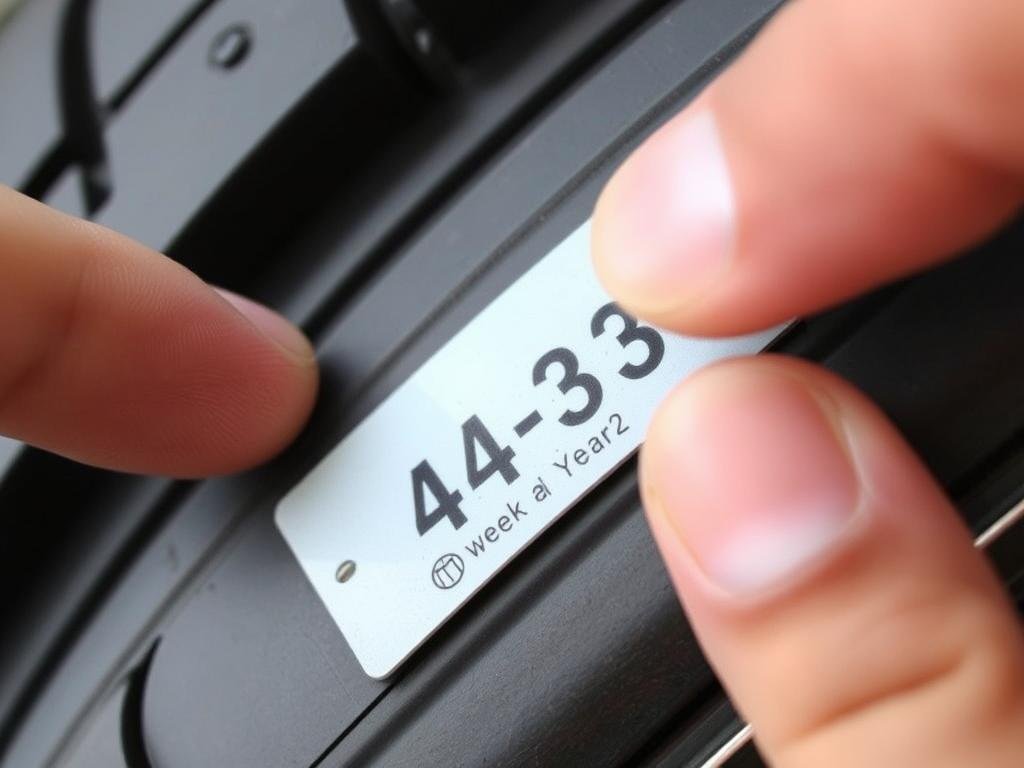
Checking the manufacturing date on your tyre’s sidewall
Even if your tyres look good and have adequate tread, age can compromise their safety. Rubber compounds deteriorate over time due to oxygen, UV radiation, and temperature fluctuations – a process called oxidation.
Tyre Age Guidelines
“No matter how new your tyre looks, if it’s over 6 years old, it should be professionally inspected annually. After 10 years, replacement is essential for safety.”
5. Performance Issues: What Your Tyres Are Telling You

Sometimes, your tyres will tell you they need changing through how your vehicle performs. Pay attention to these warning signs even when visual inspection doesn’t reveal obvious problems.
Warning Signs
What They Mean
These performance issues often indicate:
Did you know? Worn tyres can increase your fuel consumption by up to 4% due to increased rolling resistance and the engine having to work harder.
6. Frequent Punctures: When Repairs Aren’t Enough
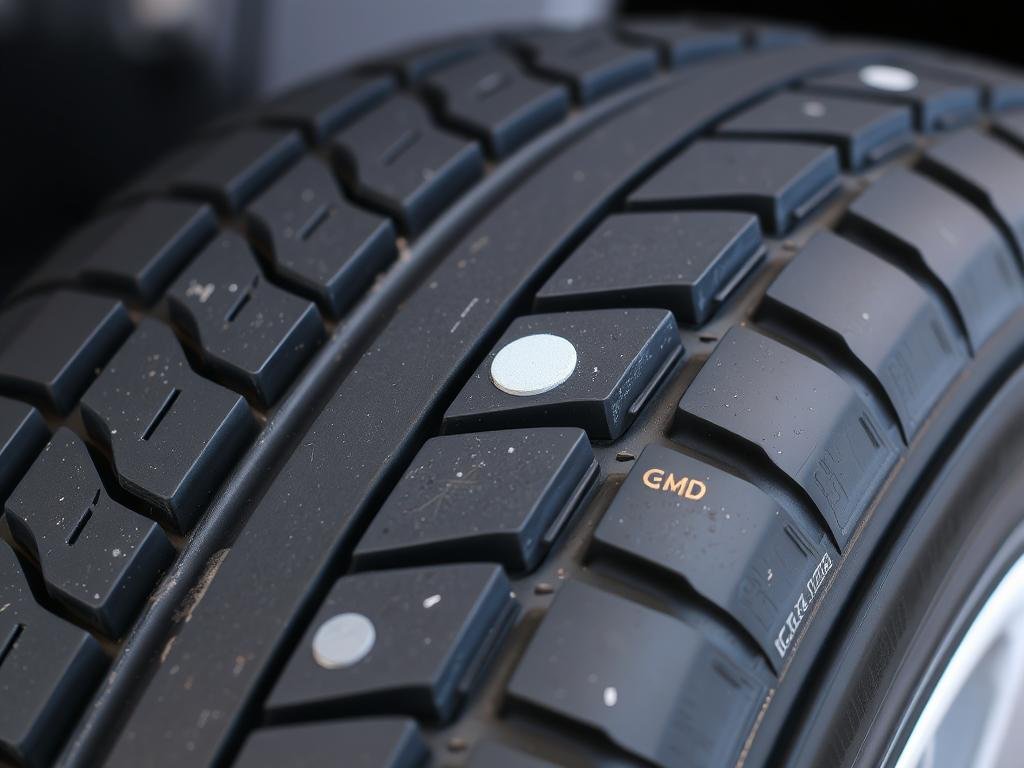
If you’re experiencing frequent punctures, it may be time to replace your tyres rather than continuing to repair them. Multiple repairs can compromise the structural integrity of the tyre and increase the risk of failure.
Repair Limitations
Looking for Puncture-Resistant Tyres?
Explore our range of durable tyres designed for Indian road conditions.
7. Seasonal Considerations for Tyre Replacement
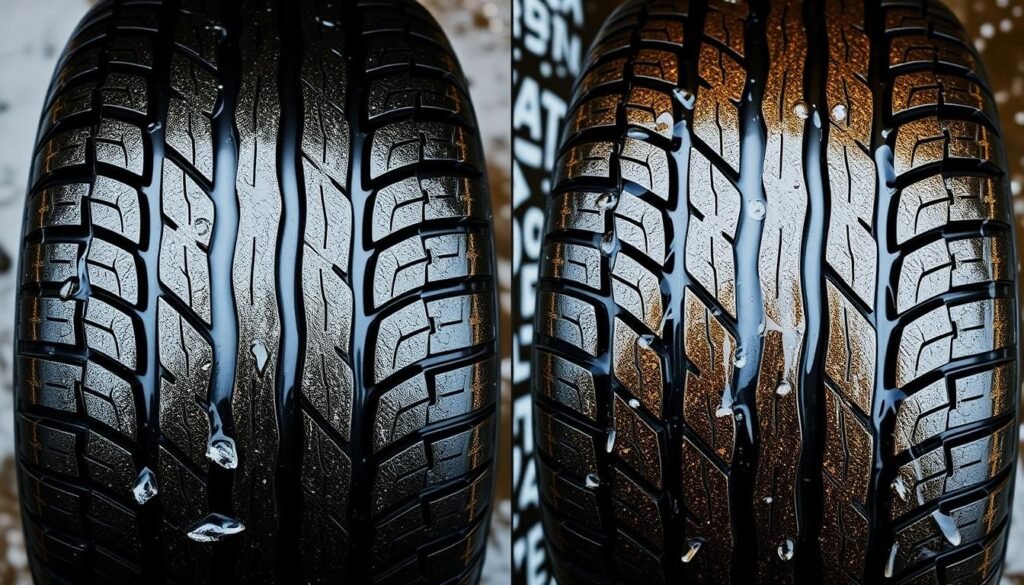
India’s diverse climate presents unique challenges for tyres. The intense heat, monsoon rains, and varied road conditions all affect tyre performance and longevity. Seasonal changes may indicate it’s time for new tyres.
Monsoon Season Considerations
The monsoon season is particularly demanding on tyres. If your tyres are approaching the end of their life, consider replacing them before the rains begin.
Summer Heat Considerations
Extending Tyre Life: Essential Maintenance Tips

While all tyres eventually need replacement, proper maintenance can significantly extend their lifespan and help you get the most value from your investment.
Pressure Maintenance
Rotation & Alignment
Driving Habits
| Maintenance Task | Frequency | Benefit |
| Pressure Check | Monthly | Prevents uneven wear, improves fuel efficiency |
| Rotation | Every 8,000-10,000 km | Ensures even wear across all tyres |
| Alignment | Annually or after hitting obstacles | Prevents uneven wear, improves handling |
| Balancing | When installing new tyres or noticing vibration | Reduces vibration, extends tyre life |
| Visual Inspection | Monthly | Early detection of damage or wear issues |
Choosing the Right Replacement Tyres
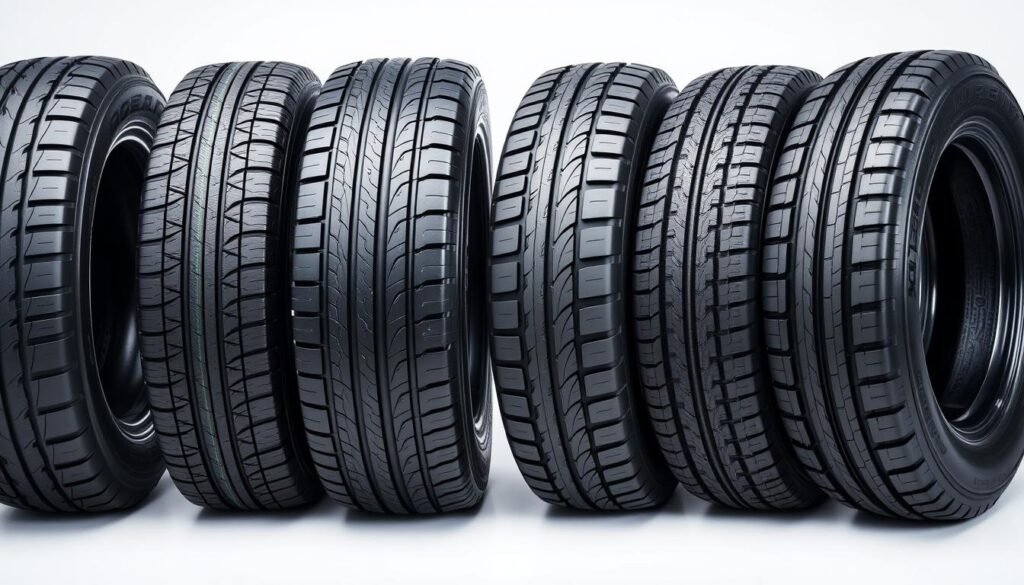
When it’s time to replace your tyres, choosing the right ones is crucial for safety, performance, and value. Here’s what to consider when selecting new tyres for your vehicle.
Key Factors to Consider
Should I replace all four tyres at once?
Ideally, yes. Replacing all four tyres ensures balanced handling and traction. If you must replace only two, install them on the rear axle regardless of whether your vehicle is front or rear-wheel drive. This helps maintain stability and reduces the risk of hydroplaning.
Are premium tyres worth the extra cost?
Premium tyres often provide better wet traction, lower noise levels, longer tread life, and improved fuel efficiency. While they cost more initially, their longer lifespan and performance benefits can make them more economical in the long run. For safety-critical applications like family vehicles, the additional performance margin can be valuable.
What about retreaded or used tyres?
We generally don’t recommend used tyres as their history is unknown. Retreaded tyres can be acceptable for certain applications but are not recommended for primary passenger vehicles where safety is paramount. New tyres provide the best safety margin and performance.
Ready to Replace Your Tyres?
Siddhi Tyre offers a wide range of quality tyres for all vehicle types at competitive prices.
When to Seek Professional Help
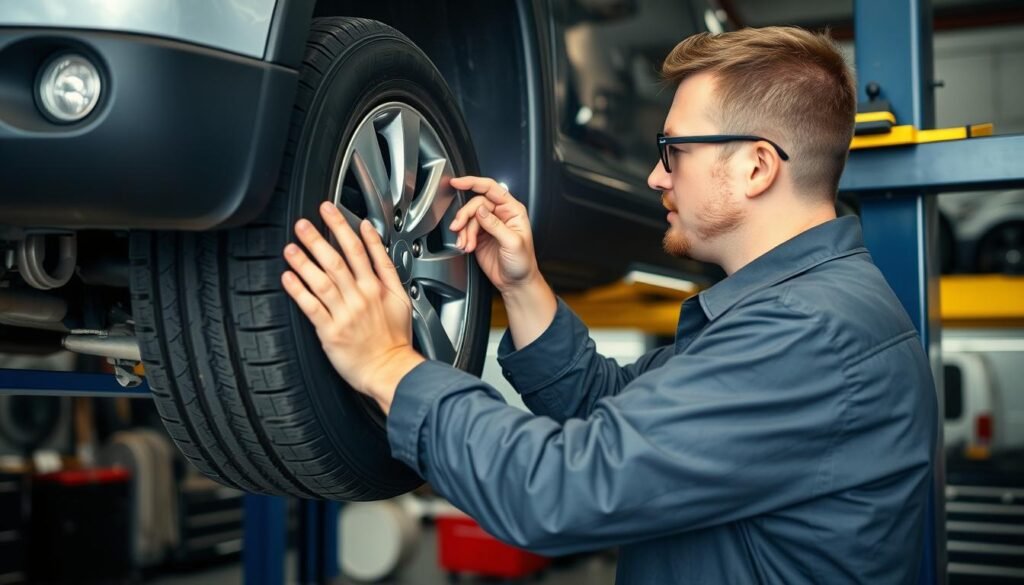
While this guide helps you identify when tyres need changing, professional inspection provides the most accurate assessment. Here’s when to consult a tyre specialist:
Conclusion: Prioritizing Tyre Safety
Knowing when tyre need to change is crucial for your safety and that of other road users. Regular inspections, understanding the warning signs, and timely replacement can prevent accidents and save lives. Don’t wait until your tyres fail completely – be proactive about monitoring their condition.
Remember the key indicators: tread depth below 1.6mm, visible damage, age over 6 years, uneven wear patterns, performance issues, frequent punctures, and seasonal considerations. By staying vigilant and replacing tyres when needed, you ensure optimal vehicle performance and safety in all driving conditions.
Need Help With Your Tyres?
Siddhi Tyre offers professional inspection, quality replacements, and expert advice for all your tyre needs.