
Proper vehicle maintenance is crucial for a safer, more efficient drive. Ensuring your vehicle’s tires are correctly aligned can significantly impact its overall performance.
When your car’s tires are properly aligned, it reduces the risk of uneven tire wear and improves handling, making your driving experience smoother and more enjoyable. Our expert technicians use state-of-the-art equipment to provide top-notch car alignment services.
By choosing our services, you can trust that your vehicle is in good hands. We’ll help keep your wheels in perfect balance, ensuring your car runs smoothly and efficiently.
Key Takeaways
- Proper vehicle alignment improves overall handling and reduces uneven tire wear.
- Our expert technicians use state-of-the-art equipment for car alignment services.
- Correct tire alignment enhances your vehicle’s performance and safety.
- Regular maintenance can extend the life of your tires.
- Our services ensure your vehicle runs smoothly and efficiently.
What is Wheel Alignment?
Wheel alignment is more than just adjusting your vehicle’s wheels; it’s about ensuring optimal vehicle handling and safety. When your vehicle’s wheels are properly aligned, it means that they are adjusted to be perpendicular to the road and parallel to each other, which is crucial for the overall performance of your vehicle.
Definition of Wheel Alignment
Wheel alignment refers to the process of adjusting the angles of your vehicle’s wheels to match the manufacturer’s specifications. This process involves using specialized equipment to ensure that the wheels are properly aligned, which is vital for maintaining even tire wear and ensuring that your vehicle tracks properly on the road.
Proper wheel alignment involves adjusting three main angles: camber, toe, and caster. Camber refers to the tilt of the wheels when viewed from the front, toe refers to the direction the wheels are pointing relative to each other, and caster affects how the vehicle steers. By adjusting these angles, technicians can ensure that your vehicle’s wheels are aligned correctly, enhancing your vehicle’s handling and safety.
Importance of Proper Alignment
The importance of wheel alignment cannot be overstated. Proper alignment is essential for maintaining your vehicle’s health, as it directly impacts tire wear, fuel efficiency, and overall vehicle handling. When your wheels are aligned correctly, you can expect improved fuel efficiency due to reduced rolling resistance, which means your vehicle will consume less fuel over time.
Moreover, proper wheel alignment enhances your vehicle’s safety by ensuring that it handles predictably and maintains traction on the road. Misaligned wheels can lead to uneven tire wear, which can cause your vehicle to pull to one side, potentially leading to dangerous situations on the road. By ensuring your wheels are aligned, you’re not only prolonging the life of your tires but also safeguarding yourself and your passengers.
Signs You Need a Wheel Alignment
Noticing your car pulling to one side or experiencing steering wheel vibration? It might be time for a wheel alignment. Proper wheel alignment is essential for your vehicle’s performance and safety. Here are the key signs that indicate you need to visit an alignment shop.
Uneven Tire Wear
One of the most common signs of misaligned wheels is uneven tire wear. When your wheels are not properly aligned, it can cause your tires to wear down unevenly, leading to reduced tire life and potentially causing your vehicle to pull to one side.
Regularly checking your tire wear can help you identify alignment issues early on. Look for signs such as:
- More wear on the inside or outside edges of your tires
- Feathering or uneven wear patterns
Vehicle Pulling to One Side
If your vehicle is pulling to one side while driving on a straight road, it’s a clear indication that your wheels are out of alignment. This can be due to various factors, including hitting potholes or curbs, and can lead to increased tire wear and compromised handling.
Steering Wheel Vibration
Steering wheel vibration is another sign that your vehicle may need a wheel alignment. When your wheels are misaligned, it can cause your steering wheel to vibrate, especially at higher speeds. This vibration can be uncomfortable and may indicate a more serious issue if left unaddressed.
| Signs | Potential Consequences |
|---|---|
| Uneven Tire Wear | Reduced tire life, increased risk of tire failure |
| Vehicle Pulling to One Side | Compromised handling, increased tire wear |
| Steering Wheel Vibration | Discomfort, potential for more serious mechanical issues |
If you’re experiencing any of these signs, it’s advisable to visit a professional alignment shop for a vehicle alignment. They can assess your vehicle’s alignment and make the necessary adjustments to get your vehicle running smoothly and safely.
Benefits of Regular Wheel Alignment
Proper wheel alignment offers numerous benefits that can enhance your driving experience. By ensuring your vehicle’s wheels are correctly aligned, you can enjoy a range of advantages that impact both your vehicle’s performance and your wallet.
Enhanced Tire Lifespan
One of the significant benefits of regular wheel alignment is the extension of your tire’s lifespan. When your wheels are properly aligned, your tires wear evenly, reducing the need for premature replacements. This means you can enjoy longer tire life and reduce maintenance costs.
Improved Fuel Efficiency
Regular wheel alignment can also lead to improved fuel efficiency. Misaligned wheels can cause your vehicle to work harder, leading to increased fuel consumption. By keeping your wheels aligned, you can save on fuel costs over time, making it a cost-effective maintenance task, especially when you find a reliable wheel alignment near me.
Better Handling and Safety
Moreover, proper wheel alignment enhances your vehicle’s handling and safety. Aligned wheels ensure that your vehicle tracks straight and true, reducing the risk of accidents caused by pulling to one side or uneven tire wear. This results in a safer driving experience, giving you peace of mind on the road.
Some key benefits of regular wheel alignment include:
- Extended tire lifespan
- Improved fuel efficiency
- Better vehicle handling
- Enhanced safety
By understanding the importance of wheel alignment and its benefits, you can make informed decisions about your vehicle’s maintenance. Whether you’re looking for wheel alignment cost or a service provider, being aware of these advantages can help you appreciate the value of this essential service.
How Often Should You Get a Wheel Alignment?
Understanding how often to get a wheel alignment is crucial for maintaining your vehicle’s health. Regular wheel alignments can significantly impact your vehicle’s performance, safety, and overall longevity. But the frequency of this maintenance task depends on various factors.
Manufacturer Recommendations
Most vehicle manufacturers provide guidelines on how often to get a wheel alignment. Typically, this ranges from every 6,000 to 12,000 miles, depending on the vehicle’s make and model. It’s essential to consult your owner’s manual or speak with a professional mechanic to determine the recommended alignment frequency for your specific vehicle.
Key Points to Consider:
- Check your owner’s manual for the manufacturer’s recommended alignment schedule.
- Consult with a professional mechanic if you’re unsure about the alignment frequency.
- Some vehicles may require more frequent alignments due to their design or intended use.
Factors That Affect Alignment Frequency
Several factors can influence how often you should get a wheel alignment. These include your driving habits, road conditions, and any signs of misalignment. For instance, driving on rough terrain or hitting potholes can affect your vehicle’s alignment more frequently than driving on smooth roads.
Factors to Watch Out For:
- Driving on rough or uneven roads.
- Hitting potholes or curbs.
- Signs of uneven tire wear or vehicle pulling to one side.
- Changes in your vehicle’s handling or steering.
By considering these factors and following the manufacturer’s recommendations, you can determine the best alignment frequency for your vehicle. Our professional technicians can assess your vehicle’s needs and provide personalized recommendations for alignment frequency, ensuring your vehicle remains in optimal condition.
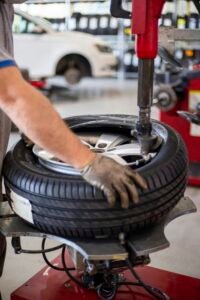
The Wheel Alignment Process Explained
A proper wheel alignment involves a series of steps that guarantee optimal vehicle performance and safety. This process is designed to ensure that your car’s wheels are aligned correctly, providing a smooth ride and extending the lifespan of your tires.
Initial Inspection
The first step in the wheel alignment process is an initial inspection. During this inspection, our technicians assess the current state of your vehicle’s wheels, checking for any signs of wear or misalignment. This involves examining the tires, wheels, and suspension components to identify any potential issues that could affect the alignment.
Key components inspected include: tire condition, wheel bearings, and suspension parts. Our technicians use specialized equipment to measure the current alignment settings and compare them to the manufacturer’s specifications.
Adjusting the Wheel Angles
Once the initial inspection is complete, our technicians adjust the wheel angles to meet the manufacturer’s specifications. This involves making precise adjustments to the camber, toe, and caster angles to ensure that the wheels are properly aligned.
- Camber adjustment: Ensuring the wheels are perfectly vertical.
- Toe adjustment: Aligning the wheels so they are parallel to each other.
- Caster adjustment: Adjusting the angle of the steering axis.
Final Check and Test Drive
After adjusting the wheel angles, our technicians perform a final check to ensure that the alignment is correct. This involves verifying that the vehicle’s steering is straight and that the wheels are properly aligned. A test drive is then conducted to confirm that the vehicle handles correctly and that there are no issues with the alignment.
| Process Step | Description | Key Components |
|---|---|---|
| Initial Inspection | Assessing the current state of the vehicle’s wheels and suspension. | Tire condition, wheel bearings, suspension parts. |
| Adjusting Wheel Angles | Making precise adjustments to camber, toe, and caster angles. | Camber, toe, caster. |
| Final Check and Test Drive | Verifying the alignment and ensuring proper vehicle handling. | Steering, wheel alignment, vehicle handling. |
DIY Wheel Alignment: Is it Possible?
The idea of DIY wheel alignment may seem appealing, but is it feasible? Many car owners are tempted to attempt their own wheel alignment to save money or to gain a deeper understanding of their vehicle’s mechanics.
Basic Tools Required
To attempt a DIY wheel alignment, you’ll need a few specialized tools. These include a wheel alignment gauge, a camber gauge, and potentially a toe-in gauge. Having a thorough understanding of how to use these tools is crucial.
Risks of DIY Alignment
While DIY wheel alignment can be cost-effective, there are significant risks involved. Incorrect alignment can lead to uneven tire wear, reduced fuel efficiency, and even safety hazards on the road. Moreover, without the proper training and equipment, achieving accurate alignment can be challenging.
When to Seek Professional Help
If you’re unsure about any aspect of the wheel alignment process, it’s highly recommended to seek help from a professional wheel alignment service. Technicians at a reputable alignment shop have the training, experience, and specialized equipment to ensure your vehicle’s wheels are properly aligned.
| Aspect | DIY Alignment | Professional Alignment |
|---|---|---|
| Accuracy | Limited by equipment and expertise | Highly accurate with specialized tools |
| Cost | Initial cost savings, but potential for costly mistakes | Higher upfront cost, but long-term savings through improved fuel efficiency and tire life |
| Safety | Risk of incorrect alignment leading to safety issues | Ensures safety through precise alignment |
By considering the risks and challenges associated with DIY wheel alignment, it becomes clear that seeking the services of a professional alignment shop is often the best choice for ensuring accuracy, safety, and long-term cost savings.
The Cost of Wheel Alignment Services
Vehicle owners often wonder about the cost of wheel alignment services and what factors influence it. The cost can vary significantly depending on several factors, including location, vehicle type, and the alignment shop you choose.
When considering vehicle alignment, it’s essential to understand that prices can differ across the United States. On average, the cost of a wheel alignment service can range from $50 to $100 for a standard alignment. However, for luxury or high-performance vehicles, the cost can be higher.
Average Pricing Across the U.S.
The average cost of wheel alignment services across different states in the U.S. can be seen in the following table:
| State | Average Cost |
|---|---|
| California | $75 |
| New York | $65 |
| Texas | $70 |
Factors Influencing Cost
Several factors can influence the cost of wheel alignment services. These include:
- The type of vehicle: Luxury vehicles or those with complex suspension systems may cost more to align.
- Location: Urban areas tend to have higher prices compared to rural areas.
- Alignment shop: Dealerships may charge more than independent repair shops.
As noted by a veteran mechanic, “The cost of wheel alignment is a fraction of what you’d pay for tire replacement or other repairs due to misaligned wheels.”
“Proper wheel alignment is key to extending the life of your tires and improving your vehicle’s overall performance.”
What to Expect During an Alignment Service
During a wheel alignment service, you can expect our technicians to perform a thorough inspection of your vehicle’s suspension and steering systems. They will then make the necessary adjustments to ensure your wheels are properly aligned. Finally, they will conduct a test drive to confirm that the alignment is correct and your vehicle is handling properly.
Finding a reliable wheel alignment near me is crucial. Look for shops with experienced technicians and good customer reviews. At our service centers, we pride ourselves on providing competitive pricing and top-notch service.
Maintenance Tips for Prolonging Wheel Alignment
Officail Website — [ Siddhi Tyre ]
Official India Mart — [ Siddhi Tyre India Mart ]
Offical Number — [ Call Now ]
Official WhatsApp — [ Whats App Now ]
Choosing the Right Wheel Alignment Service
The quality of your wheel alignment service can affect your vehicle’s overall health. Choosing the right wheel alignment service is vital for ensuring your vehicle is properly maintained. A good service provider will not only align your wheels correctly but also inspect your vehicle’s suspension and steering systems for any potential issues.
Importance of Experienced Technicians
Experienced technicians are crucial for a successful wheel alignment. They understand the intricacies of different vehicle models and can identify potential problems that might not be immediately apparent. With years of experience, they can ensure that your vehicle is handled with care and precision.
Certification and Training Standards
Look for service providers that adhere to high certification and training standards. Certifications from reputable organizations ensure that technicians are up-to-date with the latest technologies and best practices. This not only enhances the quality of the service but also gives you peace of mind.
Customer Reviews and Recommendations
Customer reviews can provide valuable insights into the quality of a wheel alignment service. Look for reviews that mention the professionalism of the staff, the thoroughness of the service, and the overall customer satisfaction. Positive reviews are a good indicator of a service provider’s reliability and expertise.
To further enhance your understanding, let’s compare some key aspects of wheel alignment services.
| Service Aspect | Basic Service | Premium Service |
|---|---|---|
| Technician Experience | Less than 2 years | More than 5 years |
| Certifications | Limited | Manufacturer and Industry Certifications |
| Customer Support | Basic Phone Support | 24/7 Support and Online Booking |
By considering these factors and choosing a service that meets your needs, you can ensure that your vehicle receives the best possible care. Remember, the importance of wheel alignment cannot be overstated, and the cost is a fraction of the potential repair costs if your vehicle is not properly aligned.
Common Myths About Wheel Alignment
Despite its importance, wheel alignment is surrounded by myths that can confuse car owners. Many believe that wheel alignment is only necessary under specific circumstances or that it’s the same as wheel balancing. However, the truth is more nuanced, and understanding the facts can help you maintain your vehicle more effectively.
Myth 1: Only Needed When Tires Are Replaced
One common misconception is that wheel alignment is only required when tires are replaced. However, this service is essential for maintaining your vehicle’s health, regardless of whether you’re changing your tires. Regular professional wheel alignment can prevent uneven tire wear, improve fuel efficiency, and enhance overall safety.
It’s recommended to check your wheel alignment every 6,000 to 8,000 miles or whenever you notice signs of misalignment, such as your vehicle pulling to one side.
Myth 2: Alignment Is the Same as Balancing
Many car owners confuse wheel alignment with wheel balancing, but they are distinct services. Wheel balancing ensures that your tires rotate smoothly, while alignment adjusts the angles of your wheels so that they’re perpendicular to the road and parallel to each other. Both are crucial for your vehicle’s performance and tire longevity.
Neglecting either service can lead to premature tire wear and affect your vehicle’s handling. A professional wheel alignment service will ensure that your wheels are properly aligned, complementing the benefits of wheel balancing.
Myth 3: Wheel Alignment Is Expensive
The perception that wheel alignment is expensive deters some from getting this essential service. In reality, the cost of wheel alignment is relatively affordable, especially when compared to the cost of replacing tires prematurely due to misalignment. Regular alignment can save you money in the long run by extending the life of your tires and improving your vehicle’s fuel efficiency.
When seeking a professional wheel alignment service, look for certified technicians who use advanced equipment to ensure accurate adjustments. This not only enhances your vehicle’s performance but also provides peace of mind knowing that your vehicle is properly maintained.
How Weather Affects Wheel Alignment
Temperature fluctuations and rough roads can throw your car’s alignment off track. Weather conditions significantly impact your vehicle’s wheel alignment, affecting its overall performance and safety.
Impact of Temperature Changes
Temperature changes can cause your vehicle’s suspension and steering components to expand and contract. This can lead to slight changes in the wheel alignment, potentially causing uneven tire wear and affecting your vehicle’s handling.
For instance, during extreme cold, metal components contract, which might result in a slight misalignment. Conversely, in hot weather, these components expand, potentially exacerbating any existing misalignment issues.
Driving on Rough Terrain
Driving on rough terrain, such as potholes or uneven roads, can significantly impact your vehicle’s wheel alignment. The jolts and shocks from these surfaces can cause the suspension to shift, leading to misalignment.
Frequent driving on such terrain requires more frequent checks on your vehicle’s alignment to prevent potential issues like uneven tire wear and poor handling.
Seasonal Alignments: A Good Idea?
Seasonal alignments can be a good idea, especially if you live in an area with extreme weather conditions. Getting your wheel alignment checked at the start of each season can help maintain your vehicle’s performance and prolong the life of your tires.
Regular alignments can also help identify any potential issues early on, allowing for timely adjustments and preventing more costly repairs down the line.
Wheel Alignment vs. Wheel Balancing
To keep your vehicle running smoothly, it’s essential to know the difference between wheel alignment and wheel balancing. Both services are crucial for maintaining your vehicle’s health, but they serve distinct purposes. Understanding when to perform each service can save you time and money in the long run.
Key Differences Between the Two
Wheel alignment involves adjusting the angles of your vehicle’s wheels so that they are perpendicular to the road and parallel to each other. This ensures that your vehicle drives straight and doesn’t pull to one side. On the other hand, wheel balancing refers to the process of ensuring that the weight of the wheel and tire assembly is evenly distributed. This prevents vibrations while driving, which can lead to uneven tire wear and damage to your vehicle’s suspension.
Key differences include:
- Purpose: Wheel alignment focuses on the direction and angle of the wheels, while wheel balancing focuses on the distribution of weight around the wheel.
- Symptoms of neglect: Misaligned wheels can cause your vehicle to pull to one side, while unbalanced wheels can cause vibrations.
- Impact on vehicle: Proper alignment improves handling and safety, whereas balancing affects ride comfort and tire longevity.
When to Perform Each Service
It’s recommended to get a wheel alignment when you notice your vehicle pulling to one side, or after hitting a significant pothole. Additionally, if you replace your tires, it’s a good idea to get an alignment check. For wheel balancing, it’s typically done when you get new tires or if you notice vibrations while driving.
| Service | When to Perform | Benefits |
|---|---|---|
| Wheel Alignment | After hitting potholes, replacing tires, or noticing vehicle pull | Improved handling, safety, and tire lifespan |
| Wheel Balancing | When getting new tires or noticing vibrations | Reduced vibrations, even tire wear, and improved ride comfort |
Visiting a reputable alignment shop can ensure that your vehicle receives the correct vehicle alignment and balancing services. Technicians can assess your vehicle’s needs and perform the necessary adjustments to keep your vehicle running smoothly and safely.
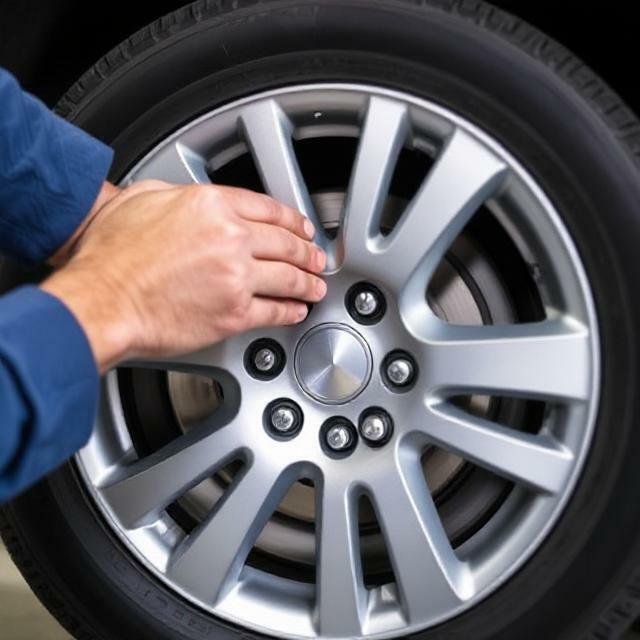
Maintenance Tips for Prolonging Wheel Alignment
To keep your vehicle’s wheel alignment in optimal condition, regular maintenance is crucial. By following a few simple tips, you can prolong the life of your wheel alignment, ensuring a smoother ride and better fuel efficiency.
Checking Tire Pressure
Proper tire inflation is vital for maintaining wheel alignment. Underinflated tires can lead to uneven tire wear, which can throw off your vehicle’s alignment. Regularly checking tire pressure and maintaining the recommended levels can help prevent this issue. You can find the recommended pressure on the tire information placard on the driver’s side doorjamb or in your vehicle’s owner’s manual.
Regular Tire Rotation
Regular tire checks and rotation can also help maintain wheel alignment. Uneven tire wear can cause your vehicle to pull to one side, indicating a potential alignment issue. By rotating your tires regularly, you can ensure even wear and prolong the life of your wheel alignment. If you’re looking for a reliable service for wheel alignment near me, consider visiting a certified automotive service center.
Driving Habits
Your driving habits can also impact your wheel alignment. Avoiding rough roads and potholes can help prevent alignment issues. If you do encounter a pothole or curb, have your alignment checked by a professional to ensure it’s still within specifications. The cost of wheel alignment can vary, but it’s a worthwhile investment to maintain your vehicle’s overall performance and safety.
FAQ
What is wheel alignment, and why is it important?
Wheel alignment refers to the process of adjusting the angles of your vehicle’s wheels to ensure they are perpendicular to the road and parallel to each other. Proper alignment is essential for maintaining even tire wear, improving fuel efficiency, and enhancing overall vehicle handling.
How often should I get a wheel alignment?
The frequency of wheel alignment depends on various factors, including the manufacturer’s recommendations, driving conditions, and vehicle type. It’s recommended to consult your vehicle’s owner’s manual or speak with a professional technician to determine the best alignment schedule for your vehicle.
What are the signs that I need a wheel alignment?
If you notice uneven tire wear, your vehicle pulling to one side, or steering wheel vibration, it may be a sign that your wheels are out of alignment. Other signs include loose steering, crooked steering wheel, or squealing tires.
Can I perform a DIY wheel alignment?
While it’s possible to attempt DIY wheel alignment, it’s not recommended unless you have the necessary expertise and equipment. Improper alignment can lead to reduced tire life, compromised handling, and increased risk of accidents. It’s best to seek the services of a professional alignment shop.
How much does a wheel alignment service cost?
The cost of wheel alignment services varies across the U.S., depending on factors such as location, vehicle type, and alignment shop. On average, you can expect to pay between to 0 for a standard wheel alignment service.
What is the difference between wheel alignment and wheel balancing?
Wheel alignment refers to the process of adjusting the angles of your vehicle’s wheels, while wheel balancing involves ensuring that the weight of the wheel is evenly distributed. Both services are essential for maintaining optimal vehicle performance and safety.
How does weather affect wheel alignment?
Weather conditions, such as temperature changes and driving on rough terrain, can impact your vehicle’s wheel alignment. Extreme weather conditions can cause the wheels to become misaligned, leading to uneven tire wear and compromised handling.
What are the benefits of regular wheel alignment?
Regular wheel alignment offers numerous benefits, including extended tire life, improved fuel efficiency, and enhanced handling and safety. By keeping your wheels properly aligned, you can reduce the risk of tire wear, lower your fuel costs, and enjoy a smoother ride.
How can I prolong the life of my wheel alignment?
To prolong the life of your wheel alignment, it’s essential to perform regular tire checks, maintain proper tire inflation, and adopt driving habits that promote alignment longevity. Avoiding potholes, driving on rough terrain, and extreme weather conditions can also help.