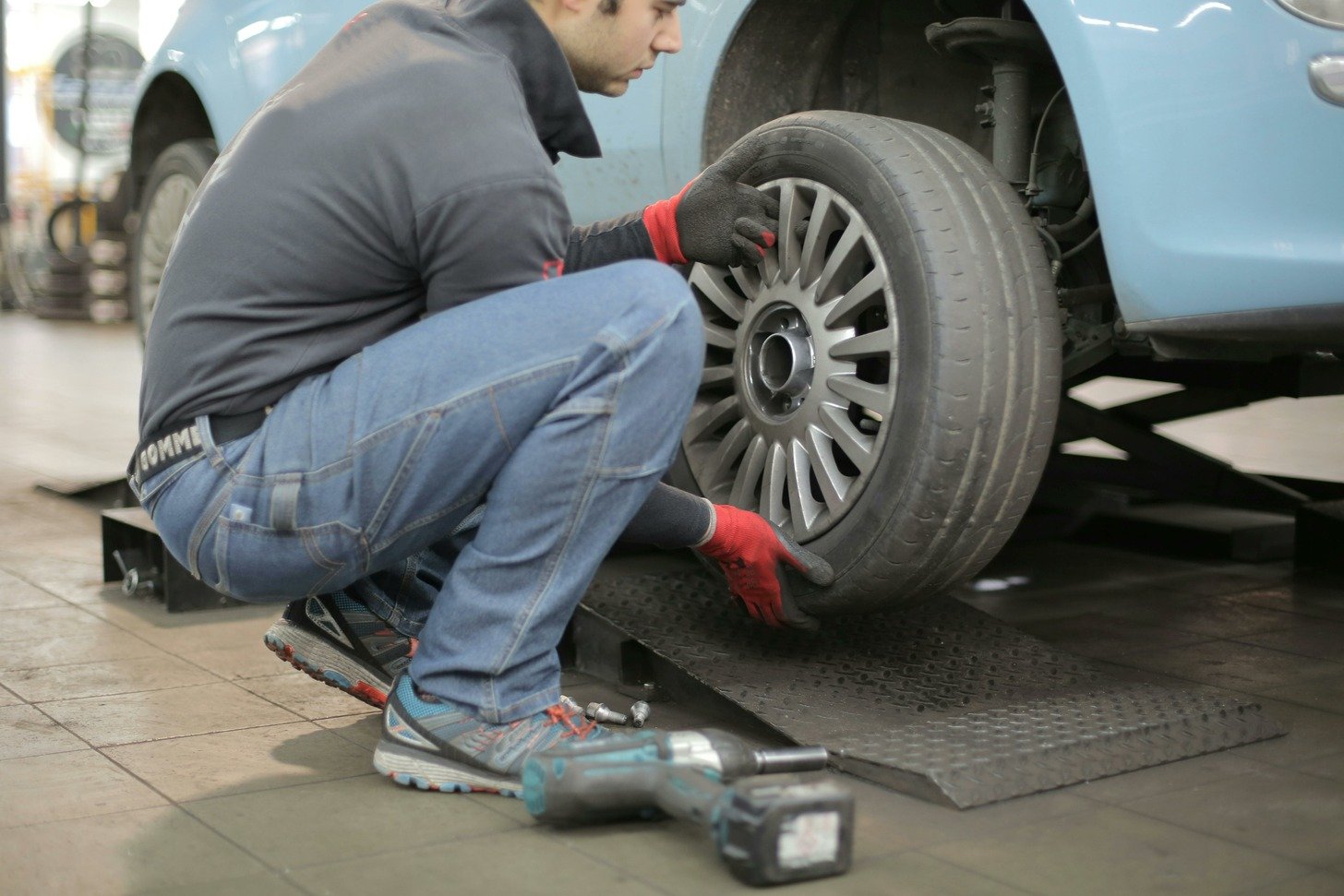
Regular tire rotation is a simple yet effective way to maintain your vehicle’s health. By ensuring that your tires wear evenly, you can improve your vehicle’s handling and fuel efficiency. Uneven tire wear can lead to reduced traction, compromised safety, and increased fuel consumption.
Rotating your tires regularly can help to distribute the wear more evenly across all four tires, resulting in a smoother ride and better overall performance. This simple maintenance task can also help to extend the life of your tires, saving you money in the long run.
Key Takeaways
- Regular tire rotation improves vehicle handling.
- Even tire wear enhances fuel efficiency.
- Tire rotation helps to extend the life of your tires.
- Uneven tire wear can compromise safety.
- Regular maintenance can save you money.
What is Tire Rotation?
Tire rotation is a simple yet effective way to maintain your vehicle’s health and efficiency. It involves rearranging the tires on your vehicle to ensure even tread wear, which is crucial for maintaining traction, handling, and safety on the road.
Definition and Purpose
Tire rotation refers to the practice of moving tires from one position to another on a vehicle. The primary purpose of tire rotation is to achieve uniform tire wear, which can significantly extend the lifespan of your tires. By rotating tires, you ensure that they wear down evenly, maintaining your vehicle’s performance and safety.
Types of Tire Rotation Patterns
There are several tire rotation patterns, and the appropriate one for your vehicle depends on its make, model, and drivetrain. Common patterns include:
- Rearward Cross: Suitable for most front-wheel-drive vehicles.
- Forward Cross: Often used for rear-wheel-drive vehicles.
- Side-to-Side: Typically recommended for vehicles with directional tires.
- Five-Tire Rotation: Includes the spare tire and is used for some all-wheel-drive vehicles.
| Rotation Pattern | Vehicle Type | Benefits |
|---|---|---|
| Rearward Cross | Front-Wheel Drive | Even tread wear, improved traction |
| Forward Cross | Rear-Wheel Drive | Enhanced handling, uniform wear |
| Side-to-Side | Directional Tires | Maintains tire directionality, ensures even wear |
Understanding the different tire rotation patterns and their applications is crucial for maintaining your vehicle’s health. By adopting the appropriate rotation pattern, you can significantly improve your vehicle’s performance and extend the life of your tires.
Importance of Regular Tire Rotation
To ensure your tires wear evenly and last longer, regular tire rotation is essential. This maintenance task is often overlooked but is crucial for maintaining your vehicle’s overall performance and safety. By rotating your tires regularly, you can significantly extend their lifespan and improve your vehicle’s handling and fuel efficiency.
Enhancing Tire Longevity
Regular tire rotation plays a significant role in enhancing tire longevity. When tires are rotated regularly, they wear more evenly, reducing the risk of premature wear on any single tire. This even wear means that you can get the most out of your tires, delaying the need for replacement.
- Even Wear: Regular rotation ensures that tires wear evenly across the tread, reducing the risk of uneven wear patterns.
- Extended Tire Life: By promoting even wear, regular tire rotation can extend the life of your tires, saving you money on premature replacements.
- Improved Traction: Evenly worn tires provide better traction, which is crucial for safe driving, especially under adverse weather conditions.
Preventing Uneven Wear
Uneven tire wear is a common issue that can lead to reduced tire lifespan, compromised vehicle performance, and increased risk of tire failure. Regular tire rotation is a proactive measure to prevent uneven wear.
| Causes of Uneven Wear | Effects on Vehicle | Prevention through Rotation |
|---|---|---|
| Misaligned wheels | Reduced tire life, poor handling | Regular rotation helps identify misalignment issues early |
| Improper inflation | Uneven wear, reduced fuel efficiency | Rotation checks often include pressure checks, helping maintain proper inflation |
| Driving habits | Aggressive driving can cause uneven wear | Regular rotation mitigates the effects of aggressive driving on tire wear |
By understanding the importance of regular tire rotation and its benefits in enhancing tire longevity and preventing uneven wear, vehicle owners can take proactive steps to maintain their vehicle’s health and performance.
When to Rotate Your Tires
Knowing the right time to rotate your tires can significantly impact your vehicle’s handling, fuel efficiency, and tire longevity. Regular tire rotation is a simple yet effective way to ensure your tires wear evenly, thereby extending their lifespan and maintaining your vehicle’s overall performance.
Recommended Rotation Intervals
The frequency at which you should rotate your tires depends on several factors, including your vehicle’s make and model, driving conditions, and the type of tires you’re using. Most vehicle manufacturers recommend rotating tires every 5,000 to 8,000 miles. However, it’s essential to consult your vehicle’s owner’s manual for the manufacturer’s specific recommendation. Some modern vehicles may have advanced tire pressure monitoring systems that can alert you when tire rotation is needed.
Signs You Need Tire Rotation
Besides following the recommended rotation interval, there are several signs that indicate your tires need rotation. These include:
- Uneven tread wear, which can be detected by visually inspecting your tires or by noticing if your vehicle pulls to one side while driving.
- A vibrating steering wheel or seat, which can be caused by uneven tire wear.
- Unusual noise from your tires, which might indicate uneven wear or improper tire alignment.
If you notice any of these signs, it’s a good idea to have your tires rotated as soon as possible to prevent further damage and maintain your vehicle’s performance.
How Tire Rotation Affects Performance
The impact of tire rotation on vehicle performance is multifaceted, influencing both fuel efficiency and handling. Regular tire rotation is a simple yet effective maintenance task that can significantly enhance your vehicle’s overall performance.
Impact on Fuel Efficiency
One of the key benefits of tire rotation is its impact on fuel efficiency. When tires are unevenly worn, it can lead to increased rolling resistance, which in turn can decrease fuel efficiency. By rotating your tires regularly, you can ensure even tread wear, reducing rolling resistance and improving your vehicle’s fuel efficiency. This not only saves you money on fuel costs but also reduces your carbon footprint.
Fuel Efficiency Benefits:
- Reduced rolling resistance
- Improved gas mileage
- Lower emissions
Improvement in Handling
Tire rotation also plays a crucial role in maintaining your vehicle’s handling and stability. Unevenly worn tires can cause your vehicle to pull to one side, leading to reduced handling and increased risk of tire failure. By rotating your tires, you can ensure that your vehicle tracks properly and responds well to steering input, enhancing overall safety and driving comfort.
| Handling Benefits | Description |
|---|---|
| Improved Traction | Even tread wear ensures better grip on the road |
| Enhanced Stability | Reduced risk of tire failure and improved vehicle tracking |
| Better Steering Response | Your vehicle responds more predictably to steering input |
In conclusion, regular tire rotation is essential for maintaining optimal vehicle performance. By understanding the benefits of tire rotation, including its impact on fuel efficiency and handling, you can take proactive steps to ensure your vehicle runs smoothly and efficiently.
DIY Tire Rotation: Step-by-Step Guide
With a few basic tools and some straightforward steps, you can rotate your tires and improve your vehicle’s performance. Rotating your tires regularly is essential for maintaining even tread wear, enhancing safety, and prolonging the life of your tires.
Tools Needed for Tire Rotation
Before you start, make sure you have the necessary tools. You’ll need:
- A lug wrench (or tire iron)
- A car jack
- Jack stands (optional but recommended for safety)
- A torque wrench (for tightening lug nuts to the correct specification)
- Your vehicle’s owner’s manual (for specific tire rotation patterns and recommendations)
Having the right tools on hand will make the process smoother and safer.
Safety Precautions
Safety should be your top priority when performing a DIY tire rotation. Here are some key precautions to keep in mind:
- Ensure your vehicle is on a level surface and apply the parking brake.
- Use jack stands for added stability and safety when working under the vehicle.
- Loosen the lug nuts before lifting the vehicle, but do not remove them until the vehicle is raised.
- Tighten the lug nuts in a star pattern to ensure even tightening.
- Refer to your owner’s manual for the correct torque specification for your vehicle’s lug nuts.
By following these safety precautions, you can minimize the risks associated with DIY tire rotation.
Now, let’s walk through the step-by-step process of rotating your tires. The specific pattern may vary depending on your vehicle’s make and model, so be sure to consult your owner’s manual.
- For most front-wheel drive vehicles, the recommended pattern is typically “forward cross”: Rear tires move to the front on the same side, and front tires move to the opposite rear side.
- For rear-wheel drive vehicles, the pattern is often “rearward cross”: Front tires move to the rear on the same side, and rear tires move to the front on the opposite side.
Regardless of the pattern, the key is to ensure that your tires are rotated regularly to maintain even wear and extend their lifespan.
Tips for a Successful DIY Tire Rotation:
- Check your tire pressure before and after rotation.
- Inspect your tires for signs of uneven wear or damage.
- Keep a record of your tire rotations to stay on schedule.
By following these tire rotation tips, you can ensure that your DIY tire rotation is done correctly and safely.
Professional Tire Rotation Services
Professional tire rotation services offer a hassle-free way to ensure your vehicle’s tires are properly maintained. By choosing a professional service, you can benefit from the expertise of trained technicians who understand the specific needs of various vehicle types.
What to Expect from a Tire Shop
When you take your vehicle to a tire shop for rotation, you can expect a thorough inspection and service. Here are some key aspects of what a professional tire rotation service typically includes:
- A thorough inspection of your tires for signs of uneven wear or damage.
- Rotation of your tires according to the manufacturer’s recommended pattern.
- Checking and adjusting tire pressure to the recommended levels.
- An inspection of your vehicle’s wheel bearings and other related components.
As emphasized by industry experts, “Regular tire rotation is crucial for extending the life of your tires and ensuring your vehicle runs smoothly and efficiently.” A well-maintained vehicle is not just about safety; it’s also about performance and fuel efficiency.
Comparing Costs of Services
The cost of tire rotation services can vary depending on several factors, including the type of vehicle, location, and service provider. On average, you can expect to pay between $20 to $50 for a tire rotation service. Some service providers may offer package deals that include other maintenance services like oil changes or brake inspections.
When comparing costs, consider the following:
- The reputation and expertise of the service provider.
- The comprehensiveness of the service, including any additional inspections or adjustments.
- Any warranty or guarantee offered by the service provider.
It’s not just about finding the cheapest option; it’s about getting value for your money. A reputable tire rotation service can help prevent costly repairs down the line by identifying potential issues early.
In conclusion, professional tire rotation services are a convenient and effective way to maintain your vehicle’s health. By understanding what to expect and how to compare costs, you can make informed decisions that benefit your vehicle’s performance and longevity.
Effects of Neglecting Tire Rotation
The importance of tire rotation cannot be overstated, as neglecting this maintenance task can result in significant issues down the line. Regular tire rotation is crucial for maintaining even tread wear, ensuring your vehicle operates smoothly and safely. When tire rotation is neglected, it can lead to a range of problems that affect not only the longevity of your tires but also the overall performance and safety of your vehicle.
Risks of Uneven Tire Wear
Uneven tire wear is one of the most significant risks associated with neglecting tire rotation. When tires are not rotated regularly, some tires may wear down faster than others, leading to uneven tread depths. This uneven wear can cause your vehicle to pull to one side, reducing its overall handling and stability. Furthermore, uneven tire wear can lead to reduced traction, which can be particularly hazardous during adverse weather conditions.
The consequences of uneven tire wear are not just limited to handling and stability. It can also lead to increased wear on other vehicle components, such as the suspension and steering systems. This can result in costly repairs down the line. Moreover, uneven tire wear can lead to a decrease in fuel efficiency, as your vehicle may require more energy to move due to the increased rolling resistance.
Safety Hazards
Neglecting tire rotation can also lead to significant safety hazards. Uneven tire wear can increase the risk of tire failure, particularly at high speeds. Tire failure can lead to a loss of control, potentially resulting in accidents. Moreover, uneven tire wear can reduce the effectiveness of your vehicle’s braking system, increasing stopping distances and the risk of collision.
To illustrate the potential safety hazards, consider the following table, which outlines the risks associated with uneven tire wear and the benefits of regular tire rotation:
| Condition | Risks | Benefits of Regular Tire Rotation |
|---|---|---|
| Uneven Tire Wear | Reduced traction, increased risk of tire failure, decreased fuel efficiency | Improved handling, increased tire longevity, enhanced safety |
| Even Tire Wear | Improved traction, reduced risk of tire failure, better fuel efficiency | Enhanced vehicle stability, reduced wear on other components, improved safety |
In conclusion, neglecting tire rotation can have severe consequences on your vehicle’s performance and safety. Regular tire rotation is essential for maintaining even tread wear, ensuring your vehicle operates smoothly and safely. By understanding the risks associated with uneven tire wear and the benefits of regular tire rotation, you can take proactive steps to maintain your vehicle’s health and ensure a safe driving experience.
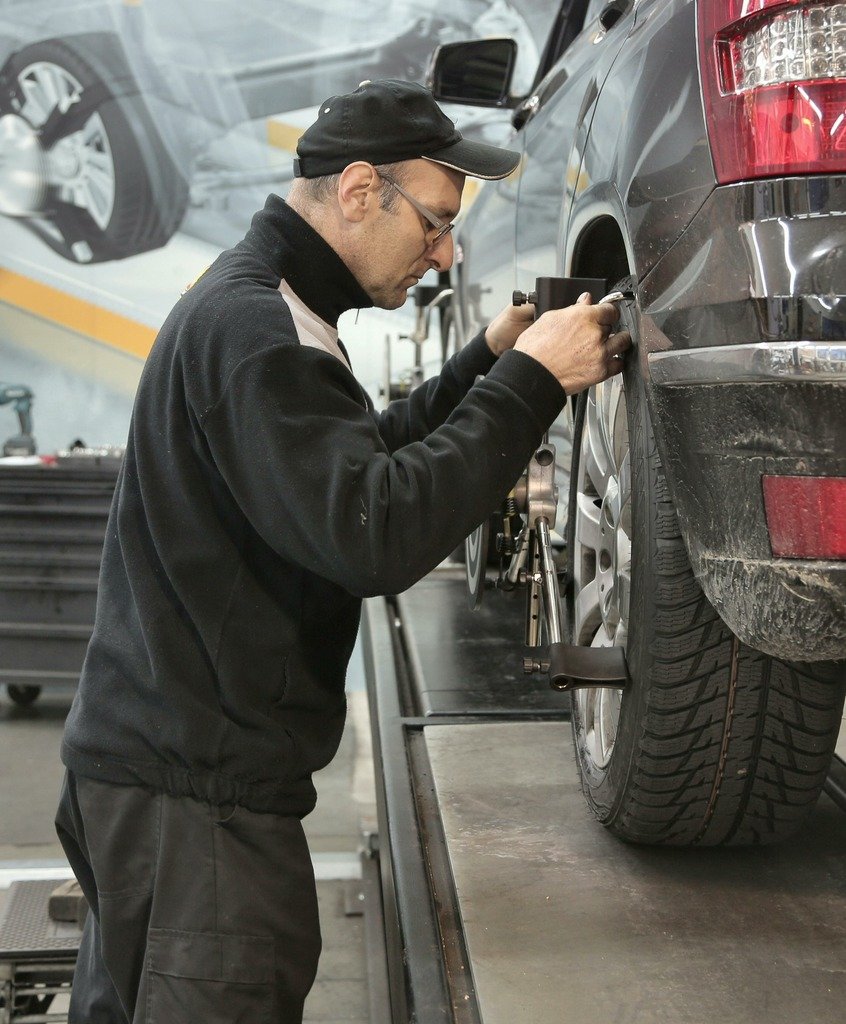
Choosing the Right Tire Rotation Pattern
The right tire rotation pattern can significantly impact your vehicle’s fuel efficiency, handling, and tire longevity. With various patterns available, understanding the most suitable one for your vehicle is crucial.
Front-to-Back vs. Side-to-Side
Tire rotation patterns are generally categorized into two main types: front-to-back and side-to-side. The front-to-back pattern involves moving the front tires to the back and vice versa. This pattern is commonly recommended for most vehicles, as it helps maintain even tread wear.
In contrast, the side-to-side pattern involves swapping tires from one side of the vehicle to the other. This method is less common but is used for specific vehicles, such as those with directional tires or certain tire designs that require side-to-side rotation.
Variable Patterns for Different Vehicles
Different vehicles may require unique tire rotation patterns. For instance:
- Rear-Wheel Drive Vehicles: Typically use a rear-to-front rotation pattern to address the heavier wear on the rear tires.
- Front-Wheel Drive Vehicles: Often use a front-to-back pattern, as the front tires wear down faster.
- All-Wheel Drive and Four-Wheel Drive Vehicles: May require a more complex rotation pattern, often involving a combination of front-to-back and side-to-side movements.
To illustrate the different tire rotation patterns and their applications, consider the following table:
| Vehicle Type | Recommended Rotation Pattern | Benefits |
|---|---|---|
| Rear-Wheel Drive | Rear-to-Front | Even wear on rear tires, improved traction |
| Front-Wheel Drive | Front-to-Back | Reduces uneven wear on front tires, enhances handling |
| All-Wheel/Four-Wheel Drive | Combination (Front-to-Back and Side-to-Side) | Balances wear across all tires, improves overall vehicle performance |
By understanding and implementing the correct tire rotation pattern for your vehicle, you can significantly enhance its performance, safety, and the longevity of its tires.
The Role of Tire Alignment
Tire alignment plays a significant role in ensuring that your tire rotation efforts are effective. Proper alignment means that your tires are pointing in the right direction, which is crucial for even tire wear and your vehicle’s overall performance.
How Alignment Relates to Rotation
When your tires are properly aligned, the wear on them is more evenly distributed. This means that the tires will wear down at a similar rate, making tire rotation more effective. If your tires are misaligned, certain areas of the tire will wear down faster, potentially leading to uneven wear patterns that can negate the benefits of rotation. Regular alignment checks are essential to ensure that your tire rotation efforts are not undermined by misalignment.
Moreover, proper tire alignment can improve your vehicle’s handling and fuel efficiency. When your tires are aligned correctly, your vehicle will track more smoothly, reducing the strain on your tires and improving overall performance. This is particularly important if you’re following a tire rotation pattern that involves moving tires from one position to another, as misalignment can exacerbate uneven wear.
Signs Your Alignment Needs Attention
There are several signs that indicate your tire alignment needs adjustment. If you notice that your vehicle is pulling to one side while driving on a straight road, it’s likely that your tires are misaligned. Uneven tire wear is another indicator; if you notice that one part of your tire is wearing down faster than the others, it could be due to misalignment. Additionally, if your steering wheel is off-center when driving straight, it’s a good idea to have your alignment checked.
Regular checks can help identify alignment issues early on, ensuring that your tire rotation efforts are effective and that your tires last as long as possible. By combining regular tire rotation with proper alignment, you can significantly improve your vehicle’s performance and extend the life of your tires, ultimately saving you money on tire rotation tips and other maintenance costs.
Officail Website — [ Siddhi Tyre ]
Official India Mart — [ Siddhi Tyre India Mart ]
Offical Number — [ Call Now ]
Official WhatsApp — [ Whats App Now ]
Understanding Tire Maintenance
Understanding the basics of tire maintenance can significantly impact your vehicle’s efficiency, safety, and overall handling. Tire maintenance encompasses several critical aspects, including regular tire rotation, pressure checks, and inspections.
Importance of Pressure Checks
Maintaining the correct tire pressure is vital for your vehicle’s performance and safety. Underinflated tires can lead to reduced fuel efficiency, increased tire wear, and potentially dangerous driving conditions. On the other hand, overinflated tires can result in a harsh ride and reduced traction.
Recommended Tire Pressure: Always refer to your vehicle’s owner’s manual or the tire information placard on the driver’s side doorjamb for the recommended tire pressure.
| Tire Pressure Status | Effects on Vehicle |
|---|---|
| Underinflated | Reduced fuel efficiency, increased tire wear, safety risks |
| Overinflated | Harsh ride, reduced traction |
| Properly Inflated | Optimal fuel efficiency, even tire wear, safe driving |
Regular Inspections
Regular tire inspections are crucial for identifying signs of wear and potential issues before they become major problems. During an inspection, look for signs of uneven wear, check the tread depth, and inspect the sidewalls for damage.
- Check tread depth using a penny or a tread depth gauge.
- Inspect sidewalls for cracks, bulges, or other damage.
- Look for uneven wear patterns that may indicate alignment or inflation issues.
Regular inspections not only help in maintaining your vehicle’s performance but also play a significant role in ensuring your safety on the road.
FAQs About Tire Rotation
Regular tire rotation is essential for maintaining even tread wear and ensuring your vehicle runs smoothly. As a crucial aspect of vehicle maintenance, many drivers have questions about tire rotation. Below, we address some of the most frequently asked questions and debunk common myths.
Common Myths Debunked
Many drivers believe that tire rotation is unnecessary if their tires appear to be wearing evenly. However, uneven wear can occur even if it’s not visible. Regular tire rotation helps prevent uneven wear and extends the life of your tires.
Myth: Tire rotation is only necessary when you notice uneven wear.
Reality: Regular tire rotation is crucial for preventing uneven wear, even if your tires appear fine.
Key Questions Answered
Here are some key questions about tire rotation and their answers:
- How often should I rotate my tires? The frequency of tire rotation depends on your vehicle’s make and model, as well as your driving habits. Generally, it’s recommended every 5,000 to 8,000 miles.
- Can I rotate my tires myself? Yes, you can rotate your tires yourself if you have the necessary tools and knowledge. However, it’s often recommended to have a professional do it to ensure it’s done correctly.
- What are the benefits of regular tire rotation? Regular tire rotation improves tire longevity, enhances fuel efficiency, and improves handling.
| Benefits of Tire Rotation | Description |
|---|---|
| Improved Tire Longevity | Regular rotation ensures even tread wear, extending the life of your tires. |
| Enhanced Fuel Efficiency | Properly maintained tires improve your vehicle’s fuel efficiency. |
| Better Handling | Even tread wear improves your vehicle’s handling and safety. |
If you’re looking for a reliable service to rotate your tires, consider searching for “tire rotation near me” to find a local tire shop. They can provide professional assistance and ensure your tires are rotated correctly.
Conclusion: Prioritize Your Tire Health
Regular tire rotation is a simple yet effective way to improve your vehicle’s performance, safety, and fuel efficiency. By understanding the benefits and implementing tire rotation tips, you can extend the life of your tires and enjoy a smoother ride.
Key Benefits of Regular Rotation
Regular tire rotation offers several tire rotation benefits, including enhanced tire longevity, improved handling, and better fuel efficiency. By rotating your tires regularly, you can prevent uneven wear, reduce the risk of tire failure, and ensure your vehicle runs smoothly.
Maintaining Good Habits
To get the most out of your tires, it’s essential to maintain good maintenance habits. This includes checking tire pressure regularly, inspecting tires for signs of wear, and following the recommended tire rotation schedule. By prioritizing your tire health, you can enjoy a safer, more efficient driving experience.
By incorporating tire rotation tips into your vehicle maintenance routine, you can enjoy improved performance, reduced maintenance costs, and enhanced safety on the road.
FAQ
How often should I rotate my tires?
The frequency of tire rotation varies depending on the vehicle and tire type, but most manufacturers recommend every 5,000 to 8,000 miles. It’s best to check your owner’s manual or consult with a tire professional.
What are the benefits of regular tire rotation?
Regular tire rotation improves tire longevity, enhances fuel efficiency, and promotes even tread wear, ensuring better handling and safety on the road.
Can I rotate my tires myself, or should I go to a professional?
While it’s possible to rotate your tires yourself with the right tools and knowledge, a professional tire rotation service can ensure it’s done correctly and safely.
How much does tire rotation cost?
The cost of tire rotation can vary depending on the service provider, location, and type of vehicle, but on average, it ranges from to .
What are the signs that I need a tire rotation?
Signs that you need a tire rotation include uneven tire wear, vibration while driving, and decreased fuel efficiency.
Does tire rotation improve fuel efficiency?
Yes, regular tire rotation can improve fuel efficiency by ensuring even tread wear, which reduces rolling resistance and improves your vehicle’s overall performance.
What’s the difference between front-to-back and side-to-side tire rotation patterns?
Front-to-back and side-to-side tire rotation patterns are two common methods; the best pattern for your vehicle depends on the manufacturer’s recommendations and your vehicle’s specific needs.
How does tire alignment relate to tire rotation?
Proper tire alignment is crucial for even tire wear and effective tire rotation; misaligned tires can lead to uneven wear and reduce the benefits of rotation.
Can I still rotate my tires if they’re worn unevenly?
Yes, you can still rotate tires with uneven wear, but it’s essential to address the underlying cause of the uneven wear, such as improper alignment or inflation.
Are there any specific tire rotation patterns for different vehicles?
Yes, different vehicles may require specific tire rotation patterns; it’s best to consult your owner’s manual or speak with a tire professional to determine the recommended pattern for your vehicle.