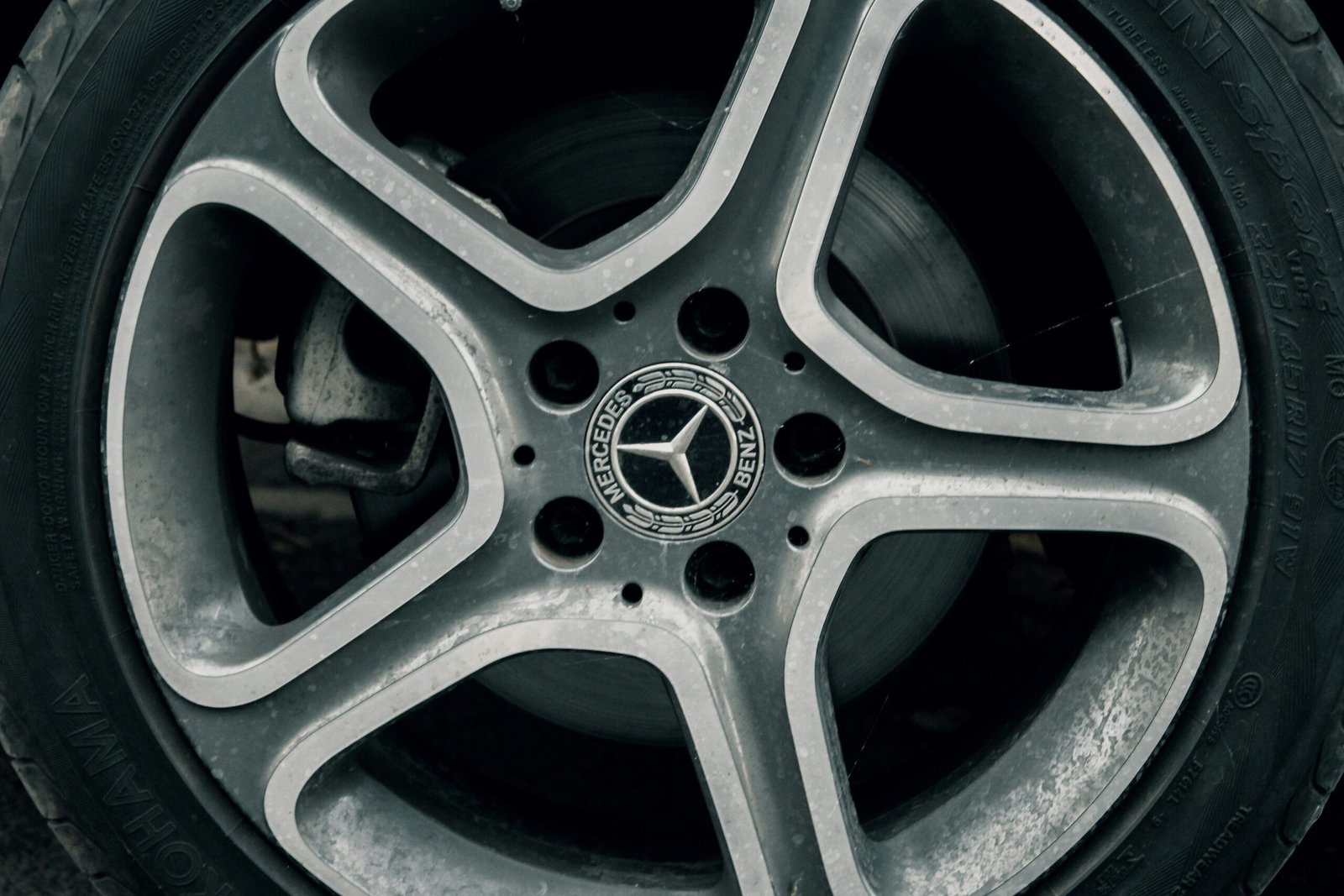
How Tubeless Tires Work: The Secrets Revealed
Tubeless tire technology has transformed the way modern tire systems operate. Unlike traditional tires that need an inner tube, tubeless systems hold air by forming an airtight bead seat between the tire and rim. When inflated, the tire bead locks against the rim’s bead hook and rim bed, creating a secure seal that relies on precise matching of tire bead shape and rim design.
The core components of the tire sealing system make tubeless operation possible: a tubeless-compatible rim and tire, proper rim tape to cover spoke holes, a sealed tubeless valve fitted through the valve hole, and liquid sealant inside the tire. The valve allows you to add or remove air while maintaining the airtight seal. The liquid sealant (typically latex-based with microscopic fibers) flows to any small holes or punctures and coagulates on contact with air to plug them from the inside. Air pressure pushes the bead outward into the rim shoulder, which reinforces the seal as pressure increases.
Tubeless tire benefits extend across vehicle types—cars, motorcycles, and bikes (road, gravel bikes, and mountain bikes)—but the advantages and details differ by application. Compared with a setup that uses an inner tube, a properly built tubeless wheel and tire system typically weighs less because it eliminates the tube, often improves rolling efficiency, allows running at lower pressures for better traction, and greatly reduces the risk of pinch flats. Tubeless setups also dissipate heat differently because there is no trapped tube rubbing against the tire carcass, which can benefit sustained high-speed or heavy-load use on some road and mountain applications.
For riders thinking about conversion, note that both the rim and the tire must be tubeless-compatible (look for markings such as “TLR,” “UST,” or “Tubeless Ready” on the rims and tire sidewall). Proper rim tape application and installing the correct tubeless valve are essential—poor tape or a leaky valve core are common causes of leaks and slow pressure loss. If you’re unsure whether your setup is compatible or you prefer professional service, local specialists (for example, Siddhi Tyre in Dadar West, Mumbai) can inspect your wheels, recommend the correct tape and valve, and perform a safe conversion.
Practical notes and quick facts: typical tubeless sealant needs refreshing every 3–6 months depending on climate and usage; tubeless tires can still lose a small amount of pressure over time due to rubber permeation (about 1–2 psi per week is common on many bike tires); and the maximum hole that a given sealant will reliably plug varies by product and puncture shape. For a deeper, step-by-step conversion and maintenance guide (including tool lists, recommended rim tape widths, tubeless valve types, and troubleshooting), download our full compatibility checklist and conversion guide.
Figure 1. Tubeless cross-section: bead, rim bed, valve, and sealant.
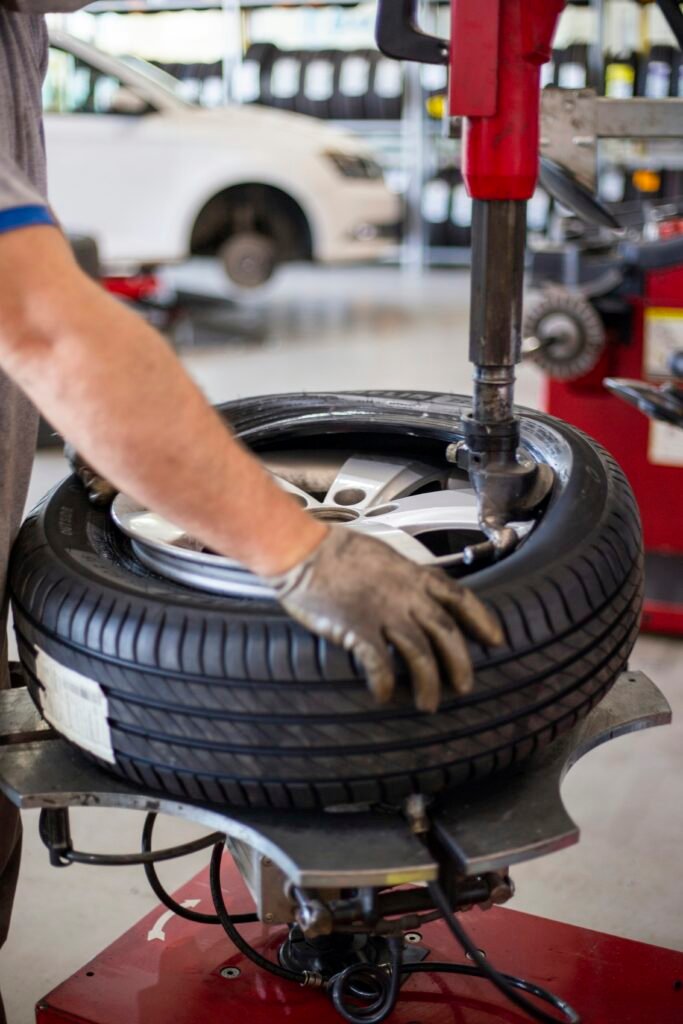
Figure 2. Tubeless valve stem and valve hole—use the correct valve length for rim depth.

Figure 3. Typical weight comparison: removing a tube reduces rotating mass on many bikes and wheels.
Officail Website — [ Siddhi Tyre ]
Official India Mart — [ Siddhi Tyre India Mart ]
Offical Number — [ Call Now ]
Official WhatsApp — [ Whats App Now ]
Check if your wheels are tubeless-ready — download our free compatibility checklist and conversion guide (PDF) to see recommended tape widths, valve lengths, and a step-by-step installation plan.
FAQ
How do tubeless tires maintain air pressure without an inner tube?
TL;DR: A tight bead-to-rim seat plus proper rim tape and a sealed valve create an airtight system that holds air without an inner tube.