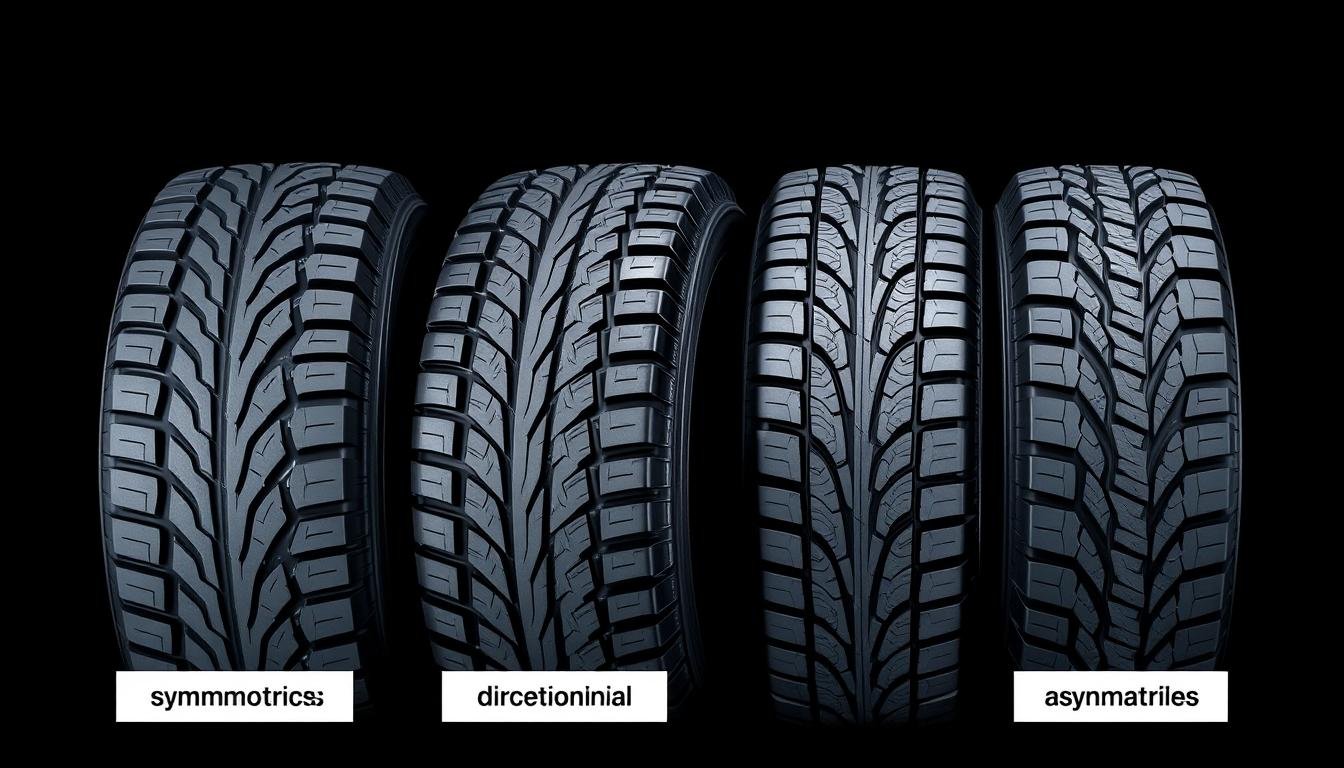
The tread pattern on your tyres isn’t just a random design – it’s a carefully engineered feature that significantly impacts your vehicle’s performance, safety, and handling. From wet roads to snowy conditions, the right tread pattern can be the difference between confident control and dangerous slippage. But with so many options available, which tyre tread pattern is best for your specific driving needs?
This comprehensive guide breaks down the seven main tyre tread patterns, their unique benefits, and helps you determine which one suits your driving style, local climate, and vehicle type. Whether you’re prioritizing fuel efficiency, off-road capability, or all-season performance, understanding tread patterns is essential for making an informed tyre purchase decision.
Understanding Tyre Tread Patterns: The Basics
Before diving into specific patterns, it’s important to understand the key components that make up a tyre tread:
- Ribs: The raised sections of the tread pattern, made up of tread blocks
- Grooves: Deep channels that run circumferentially and laterally around the tyre
- Tread blocks: Raised rubber segments that make contact with the road surface
- Sipes: Small, thin slots molded into the tread blocks that enhance grip on wet and icy surfaces
These elements work together to determine how your tyres perform in various conditions. The specific arrangement of these components creates distinct tread patterns, each with its own strengths and ideal applications.
Symmetrical Tyre Tread Pattern
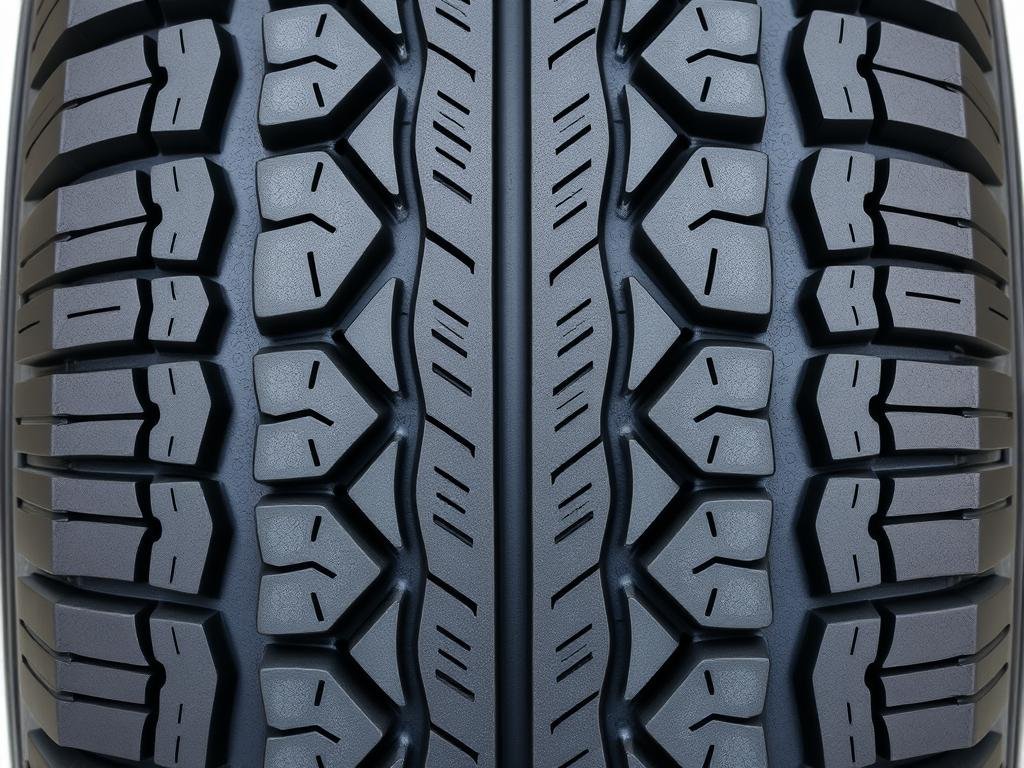
The symmetrical tread pattern is the most common design found on passenger vehicles. It features continuous ribs or independent tread blocks across the entire face of the tread, with both halves of the tyre featuring the same pattern.
Advantages
- Smooth, quiet ride
- High directional stability
- Low rolling resistance for better fuel economy
- Longer tread life
- Maximum flexibility for tyre rotation
Limitations
- Less effective in wet conditions
- Limited performance in snow or mud
- Not ideal for high-performance driving
- Average handling on corners
Best for: Daily commuters, economy cars, and drivers prioritizing fuel efficiency and comfort. If you primarily drive on dry, paved roads and want a quiet, comfortable ride with good tread life, symmetrical patterns are an excellent choice.
Ready to upgrade to symmetrical tread tyres?
Check your vehicle’s recommended tyre specifications and find the perfect symmetrical tread pattern for your daily driving needs.
Directional Tyre Tread Pattern
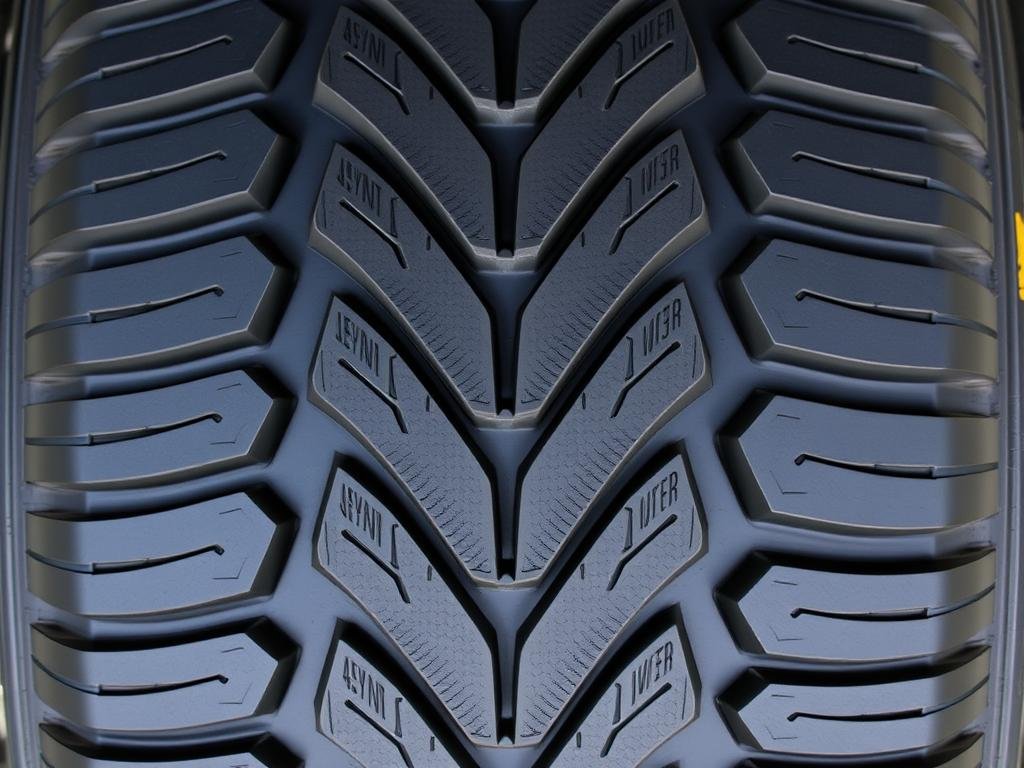
A directional tread pattern is designed to roll forward in one direction only. It features lateral grooves that meet in the middle of the tyre tread, creating a distinctive V-shaped pattern that resembles an arrowhead.
Key features:
- Superior protection against hydroplaning
- Excellent handling on snow and mud
- Very good road holding at high speeds
- Enhanced traction in adverse conditions
Important note: Directional tyres can only be rotated vertically (front to back on the same side). Look for the arrow indicator on the sidewall showing the required direction of travel.
Best for: Regions with frequent rain or snow, performance vehicles, and drivers who need reliable all-season traction. If you live in an area with varied weather conditions or enjoy spirited driving, directional patterns offer an excellent balance of performance and safety.
Experience superior wet weather performance
Upgrade to directional tread pattern tyres for better handling in rain, snow, and high-speed driving conditions.
Asymmetrical Tyre Tread Pattern
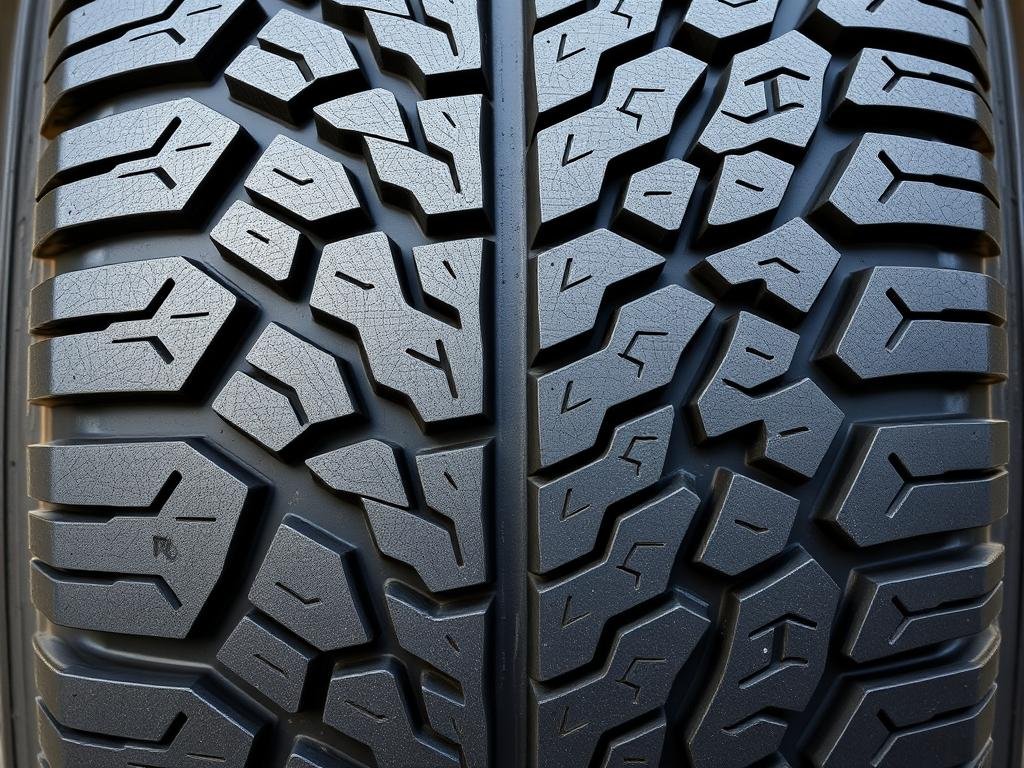
An asymmetrical tread pattern features two separate tread designs – one on the inner half and another on the outer half of the tyre. This unique design serves dual purposes: the inner tread focuses on water displacement, while the outer tread provides enhanced cornering stability.
Inner Tread Design
The inner portion of an asymmetrical tyre features:
- Smaller tread blocks
- More sipes and grooves
- Optimized for water evacuation
- Enhanced protection against hydroplaning
Outer Tread Design
The outer portion of an asymmetrical tyre features:
- Larger, more rigid tread blocks
- Higher lateral stiffness
- Improved cornering grip
- Better dry surface performance
Key benefits:
- Excellent handling in both wet and dry conditions
- High curve stability and cornering performance
- Good grip in wet conditions
- Reduced interior noise
Pro tip: Like directional tyres, asymmetrical patterns require attention during rotation. Check the sidewall for “Outside” and “Inside” indicators to ensure proper installation.
Best for: Performance vehicles, sports cars, and drivers who want the best of both worlds – excellent wet weather capability combined with superior dry handling. Ideal for enthusiasts who don’t want to compromise on performance in any condition.
Upgrade to premium handling
Experience the perfect balance of wet and dry performance with asymmetrical tread pattern tyres.
All-Terrain Tyre Tread Pattern
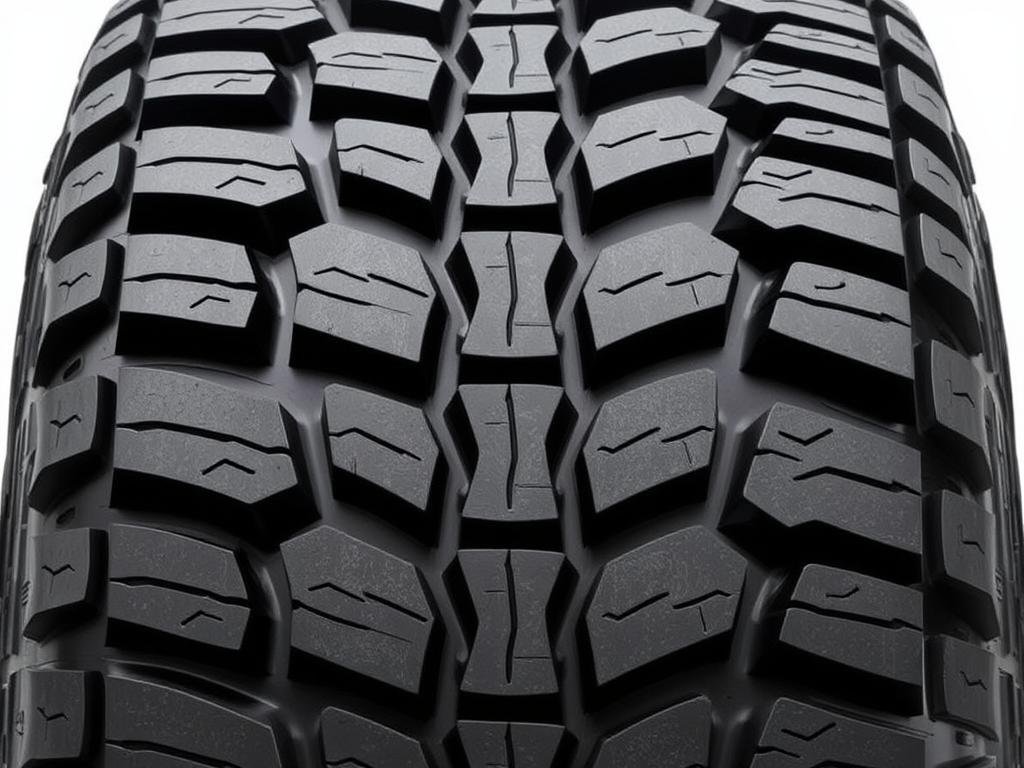
All-terrain tread patterns are designed for drivers who split their time between paved roads and off-road adventures. These patterns feature more aggressive tread blocks with wider spacing and additional features to handle varied surfaces.
| Feature | Purpose | Benefit |
| Aggressive tread blocks | Dig into loose surfaces | Better traction on dirt, gravel, and mud |
| Wide channels | Self-cleaning capability | Prevents mud and debris buildup |
| Reinforced sidewalls | Protection against punctures | Increased durability on rough terrain |
| Stone ejectors | Prevent stone retention | Extended tread life and performance |
| Staggered shoulder blocks | Enhanced off-road grip | Better climbing ability and side-hill traction |
Best for: SUVs, trucks, and vehicles that regularly encounter unpaved roads, light trails, or adverse weather conditions. Ideal for outdoor enthusiasts, rural residents, or anyone who needs versatile performance across multiple terrains.
Trade-off alert: All-terrain tyres typically produce more road noise and may reduce fuel economy compared to highway tyres. Consider your primary driving environment when choosing.
Ready for any adventure?
Equip your vehicle with all-terrain tyres that perform well both on highways and off the beaten path.
Winter/Snow Tyre Tread Pattern
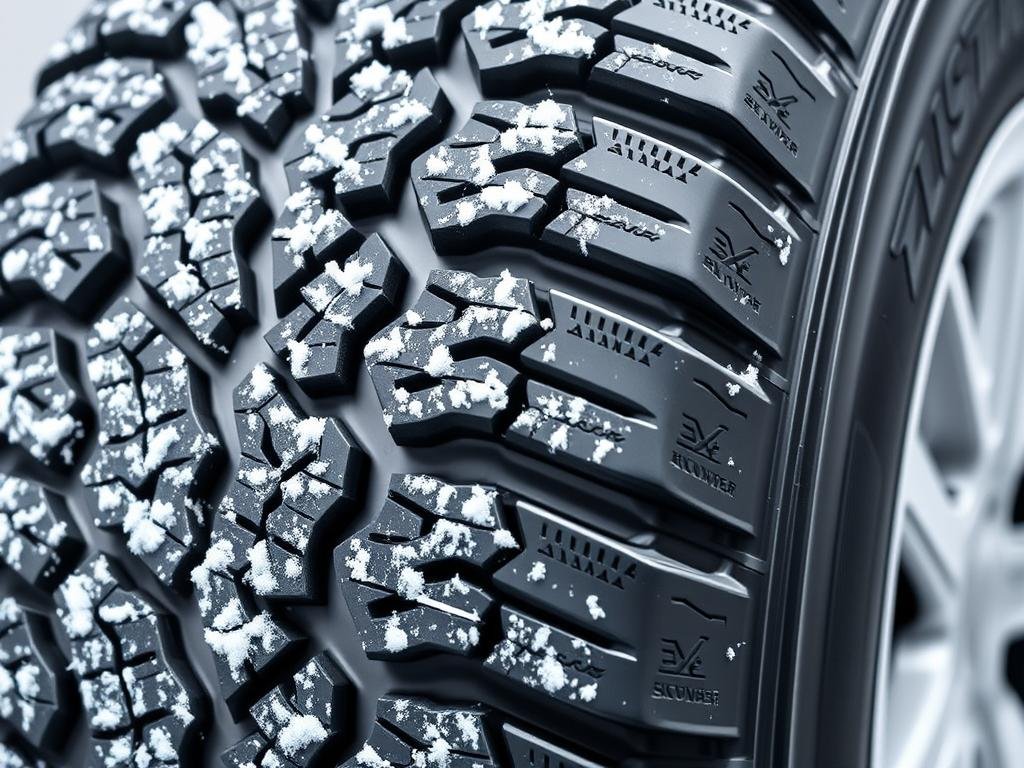
Winter tyre tread patterns are specifically engineered for cold weather performance. They feature specialized rubber compounds that remain flexible in freezing temperatures and unique tread designs that excel on snow and ice.
Key Design Elements
- Dense siping creates thousands of biting edges
- Deeper tread depth for better snow traction
- Wider grooves for snow compaction and expulsion
- Specialized rubber compounds that stay flexible in cold
Performance Benefits
- Up to 50% shorter stopping distance on ice
- Significantly improved handling on snow
- Better traction during acceleration
- Enhanced safety in freezing conditions
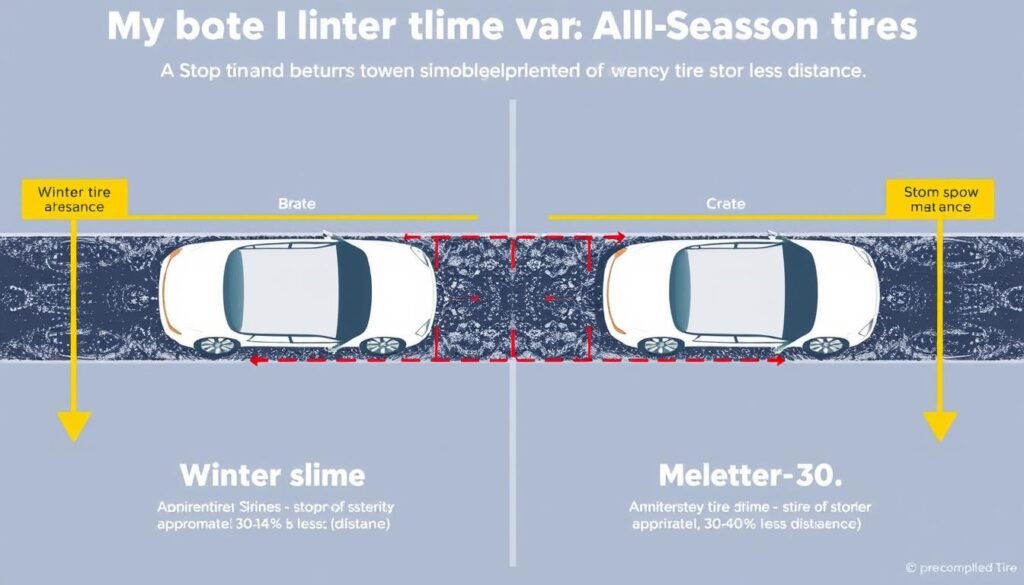
Look for the symbol: Genuine winter tyres are marked with the Three-Peak Mountain Snowflake (3PMSF) symbol, indicating they’ve passed specific snow traction performance tests.
Best for: Regions that experience regular snowfall, freezing temperatures, or icy conditions. If winter temperatures in your area regularly drop below 7°C (45°F), winter tyres provide significant safety advantages.
Stay safe this winter
Don’t compromise on safety in cold weather. Equip your vehicle with proper winter tyres before the snow arrives.
Performance Tyre Tread Pattern

Performance tread patterns are designed for sports cars and performance vehicles, prioritizing grip, handling, and high-speed stability on dry roads. These patterns typically feature larger contact patches with fewer grooves to maximize road contact.
Key characteristics:
- Large, solid tread blocks for maximum contact
- Stiff sidewalls for precise steering response
- Specialized rubber compounds for enhanced grip
- Often features asymmetrical or directional designs
Best for: Sports cars, performance sedans, and drivers who prioritize handling and grip during spirited driving. Ideal for enthusiasts who drive primarily in dry conditions and want the ultimate in cornering performance.
Unleash your vehicle’s potential
Experience the difference that performance tyres can make in handling, grip, and driving enjoyment.
Hybrid/All-Weather Tyre Tread Pattern
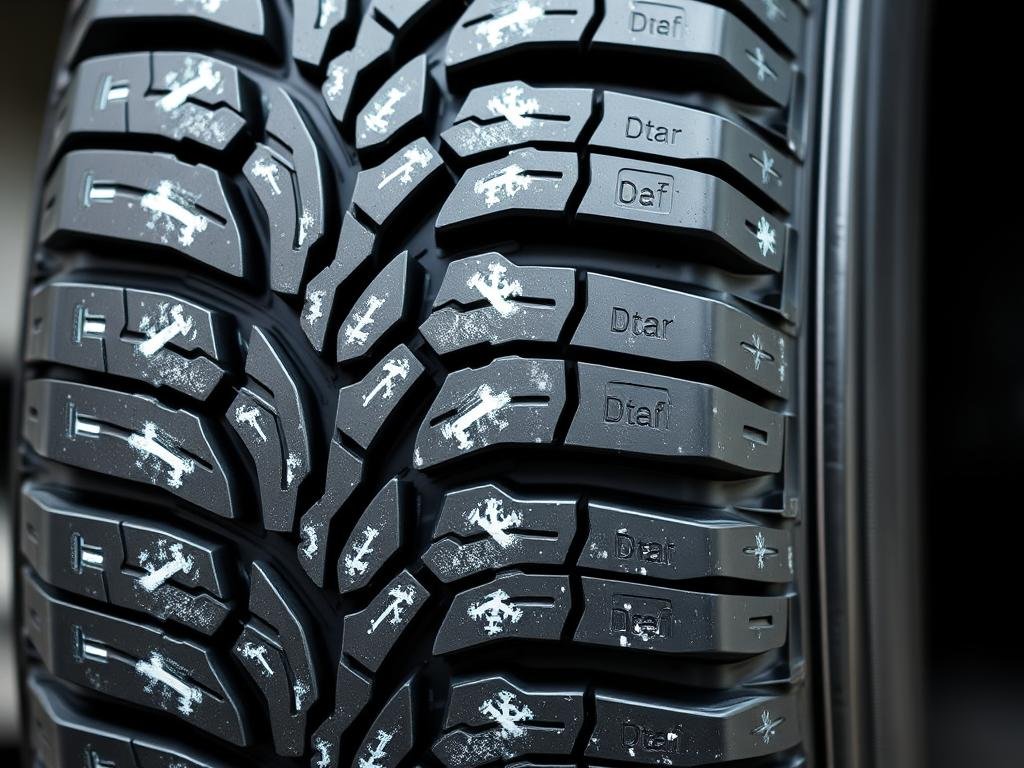
Hybrid or all-weather tread patterns represent the latest innovation in tyre technology, combining elements of all-season and winter tyres. These patterns are designed to perform adequately year-round, even in light snow, without requiring seasonal tyre changes.
“All-weather tyres are the Swiss Army knife of the tyre world – they’re not specialized for any single condition but offer reliable performance across a wide range of situations.”
Design features:
- Combines elements of all-season and winter tread patterns
- More siping than standard all-season tyres
- Specialized rubber compounds that perform in wider temperature ranges
- Often carries the Three-Peak Mountain Snowflake (3PMSF) symbol
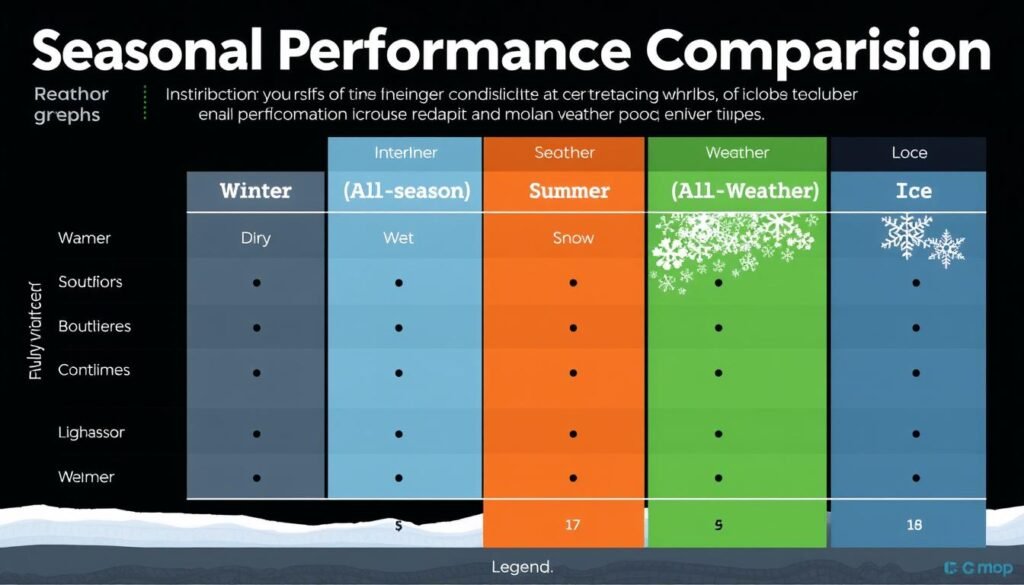
Best for: Drivers in regions with mild winters who want year-round convenience without sacrificing too much performance in any single condition. Ideal for those who experience occasional snow but don’t want to change tyres seasonally.
One set for all seasons
Simplify your life with hybrid all-weather tyres that perform reliably year-round, even in light snow.
How to Choose the Right Tyre Tread Pattern for Your Needs
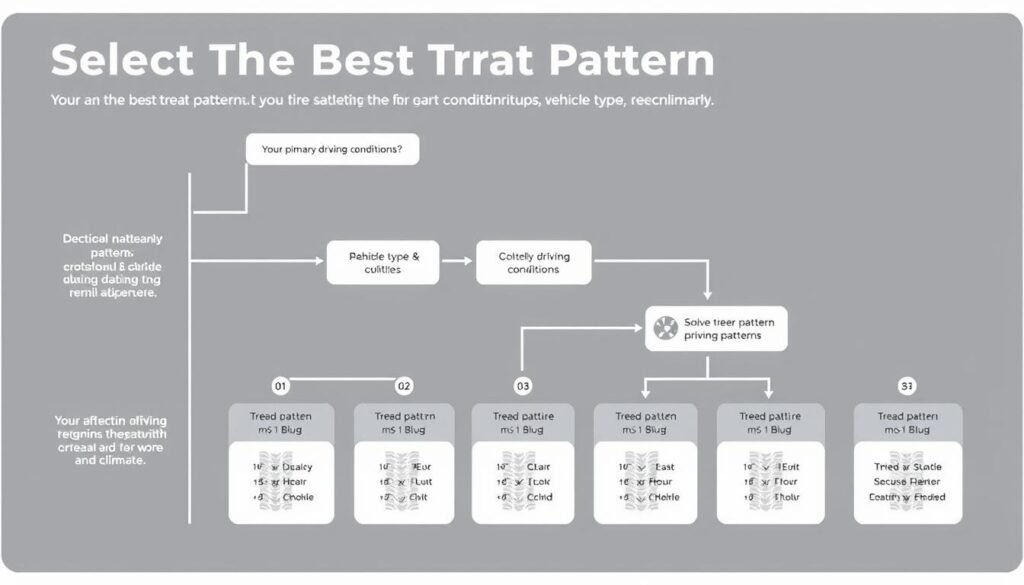
Selecting the ideal tyre tread pattern depends on several factors unique to your situation. Consider these key elements when making your decision:
Climate & Weather
- Frequent rain: Directional or asymmetrical
- Heavy snow: Winter or all-weather
- Mostly dry: Symmetrical or performance
- Variable conditions: All-weather or directional
Driving Environment
- Highway commuting: Symmetrical or asymmetrical
- Urban driving: Symmetrical or directional
- Rural/unpaved roads: All-terrain
- Performance driving: Performance or asymmetrical
Vehicle Type
- Economy car: Symmetrical
- Family sedan/SUV: Asymmetrical or all-weather
- Sports car: Performance or asymmetrical
- Truck/4×4: All-terrain
Can I mix different tread patterns on my vehicle?
It’s strongly recommended to avoid mixing different tread patterns on your vehicle. Using different patterns can impair handling characteristics and potentially create dangerous driving conditions. At minimum, ensure that tyres on the same axle have identical tread patterns. For optimal safety and performance, all four tyres should match in type, size, and tread pattern.
How do I know when it’s time to replace my tyres?
Most tyres have wear indicators – small raised bars in the main grooves that become visible when the tread depth reaches 1.6mm (the legal minimum in many countries). However, tyre performance, especially in wet conditions, begins to deteriorate well before reaching this minimum. Consider replacing tyres when tread depth reaches 3mm for optimal safety. Also watch for uneven wear, cracks, bulges, or any damage to the sidewall.
Which tread pattern is best for fuel economy?
Symmetrical tread patterns typically offer the best fuel economy due to their lower rolling resistance. These patterns have more continuous contact with the road and less aggressive tread designs, requiring less energy to roll. If fuel efficiency is your priority, look for tyres specifically marketed as “low rolling resistance” or “fuel-efficient” with symmetrical tread patterns.
Conclusion: Finding Your Perfect Tread Pattern
There’s no single “best” tyre tread pattern for everyone – the optimal choice depends on your specific driving conditions, vehicle type, and performance priorities. Symmetrical patterns excel in comfort and efficiency, directional patterns offer superior wet performance, asymmetrical designs provide balanced handling, all-terrain patterns tackle rough roads, winter patterns master snow and ice, performance patterns maximize grip, and hybrid patterns offer year-round versatility.
When selecting your next set of tyres, consider your local climate, typical driving routes, and what performance aspects matter most to you. Remember that even the best tread pattern can’t compensate for worn tyres – regularly check your tread depth and replace tyres when they show signs of significant wear.
By choosing the right tread pattern for your specific needs, you’ll enhance your vehicle’s performance, improve safety in various conditions, and potentially even save money through improved fuel efficiency and longer tyre life.
Ready to find your perfect tyres?
Use your new knowledge of tread patterns to select the ideal tyres for your vehicle, driving conditions, and performance needs.