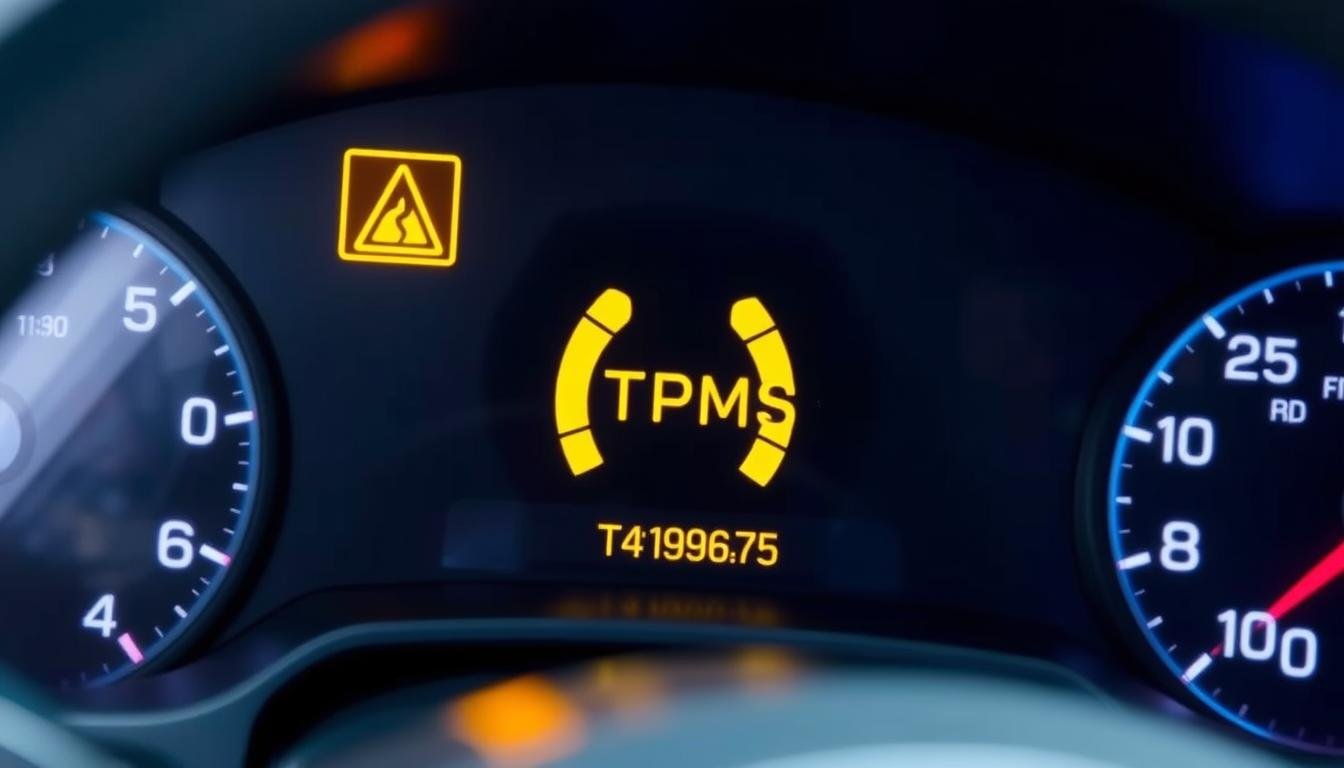
What is a Tyre Pressure Monitoring System?
A tyre pressure monitoring system (TPMS) is an electronic system designed to monitor the air pressure inside pneumatic tyres. When air pressure drops significantly below the recommended level in one or more tyres, the system alerts the driver through a dashboard warning light—typically a yellow symbol resembling a tyre cross-section with an exclamation point.
This technology became mandatory in new vehicles following safety concerns and legislation. In the United States, the TREAD Act mandated TPMS in all vehicles manufactured after 2007, while in the UK and EU, similar regulations were implemented by 2014. The primary purpose is to prevent accidents caused by underinflated tyres, which can lead to poor handling, increased stopping distances, and even catastrophic tyre failure.
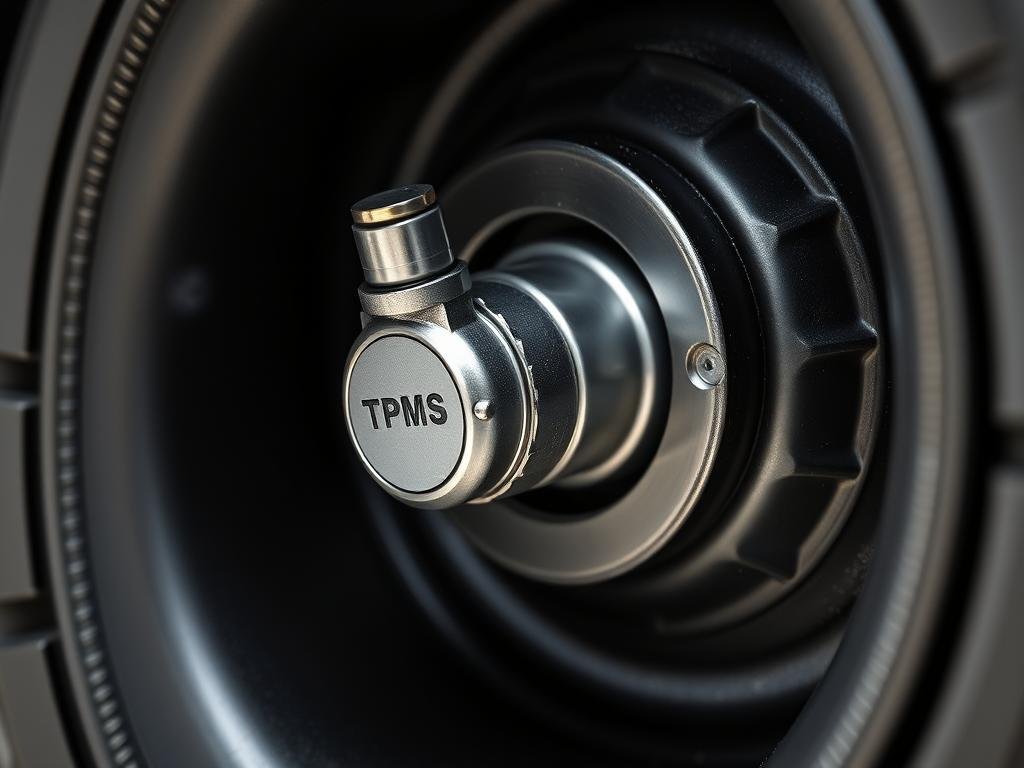
A direct TPMS sensor mounted on the valve stem inside the tyre
Types of Tyre Pressure Monitoring Systems
There are two primary types of tyre pressure monitoring systems used in modern vehicles: direct TPMS and indirect TPMS. Each works differently and offers distinct advantages and limitations.
Direct TPMS: Real-Time Pressure Readings
Direct TPMS uses physical pressure sensors within each tyre to monitor specific pressure levels. These sensors are typically mounted on the valve stems or attached to the wheel rim inside the tyre. They measure actual air pressure and sometimes temperature readings, transmitting this data wirelessly to a central control module in your vehicle.
Advantages of Direct TPMS
- Provides actual tyre pressure readings from inside the tyre
- Higher accuracy compared to indirect systems
- No need for reset after tyre inflation or rotation
- Long-lasting sensors (typically 5-10 years)
- Can monitor spare tyre pressure (in some vehicles)
Disadvantages of Direct TPMS
- More expensive than indirect systems
- Sensors can be damaged during tyre mounting/demounting
- Battery replacement requires sensor replacement
- Proprietary systems can make maintenance complex
- Specialized tools needed for programming and maintenance
Indirect TPMS: Wheel Speed Monitoring
Indirect TPMS doesn’t use physical pressure sensors inside the tyres. Instead, it leverages the vehicle’s anti-lock brake system (ABS) wheel speed sensors to detect when a tyre is rotating faster than expected—a sign that the tyre is underinflated and has a smaller diameter. The system compares rotation speeds between all four tyres and alerts the driver when significant differences are detected.
Advantages of Indirect TPMS
- Less expensive system overall
- No physical sensors to damage during tyre service
- Simpler integration with existing ABS systems
- No battery replacement concerns
- Lower maintenance costs over vehicle lifetime
Disadvantages of Indirect TPMS
- Doesn’t provide actual pressure readings
- Less accurate than direct systems
- Requires reset after tyre inflation or rotation
- May give false readings with different tyre sizes
- All tyres must lose pressure equally to avoid detection

How Tyre Pressure Monitoring System Works: Step-by-Step
Understanding the operational mechanics of TPMS helps vehicle owners appreciate this critical safety feature. Let’s break down the process for both direct and indirect systems:
Direct TPMS Operation
- Pressure Sensing: Battery-powered sensors inside each tyre continuously monitor air pressure and sometimes temperature.
- Data Transmission: Sensors transmit readings wirelessly via radio frequency signals (typically 315-433 MHz) to the vehicle’s TPMS module.
- Signal Processing: The TPMS module receives and processes these signals, identifying each tyre by its unique sensor ID.
- Pressure Analysis: The system compares current readings against manufacturer-specified thresholds (typically 25% below recommended pressure).
- Alert Generation: When pressure drops below the threshold in any tyre, the system triggers the dashboard warning light.
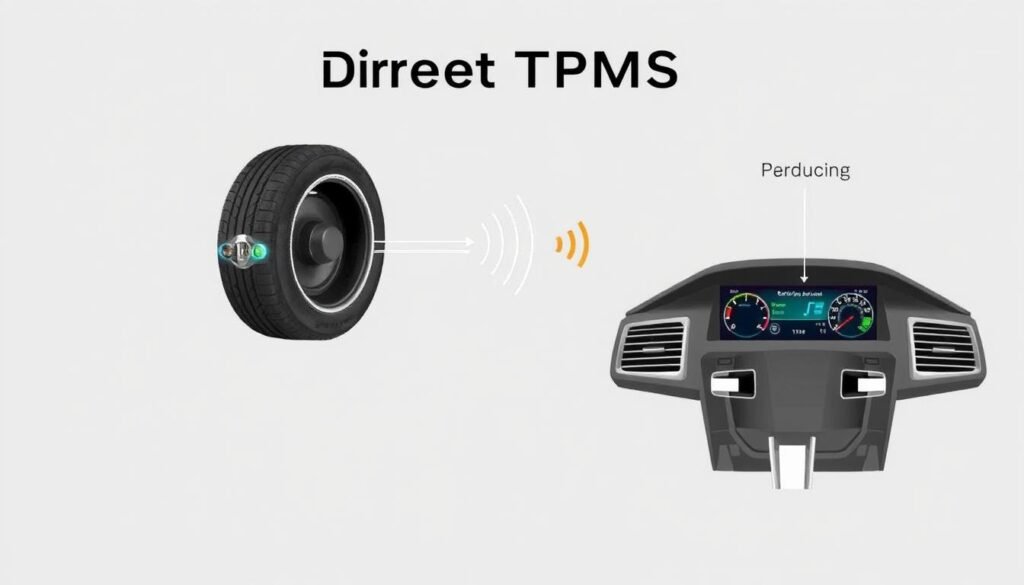
Direct TPMS operation: sensors inside tyres transmit data to the vehicle’s central module
Indirect TPMS Operation
- Wheel Speed Monitoring: ABS wheel speed sensors measure the rotation rate of each wheel.
- Data Collection: The vehicle’s computer system collects rotation data from all four wheels.
- Comparative Analysis: The system compares the rotation speeds between wheels and against expected values.
- Pattern Recognition: When a tyre rotates faster than expected (indicating underinflation), the system identifies the anomaly.
- Alert Activation: Upon detecting significant rotation speed differences, the system illuminates the TPMS warning light.
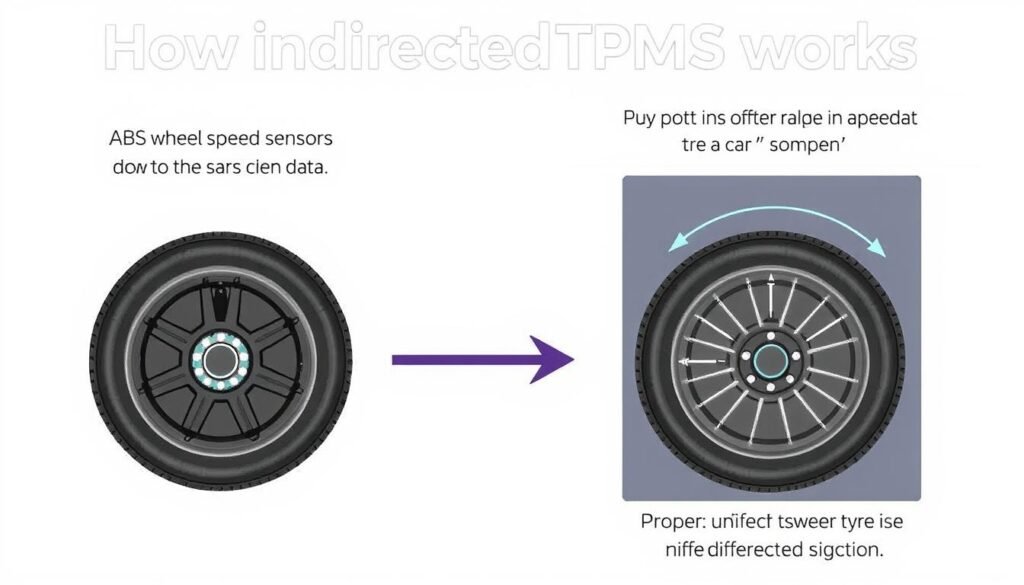
Indirect TPMS operation: ABS sensors detect rotation speed differences between wheels
Need Expert Tyre Pressure Advice?
Our specialists at Siddhi Tyre can help you understand your vehicle’s TPMS system and ensure your tyres are properly maintained for optimal safety and performance.
Why TPMS is Essential for Vehicle Safety
The tyre pressure monitoring system isn’t just another dashboard light—it’s a critical safety feature that provides numerous benefits for drivers:
Enhanced Safety
Properly inflated tyres provide better handling, shorter stopping distances, and reduced risk of blowouts. Studies show that vehicles with functional TPMS are 55.6% less likely to have severely underinflated tyres.
Improved Fuel Economy
Underinflated tyres increase rolling resistance, forcing your engine to work harder. Maintaining proper tyre pressure can improve fuel efficiency by up to 3.3%, saving you money at the pump.
Extended Tyre Life
Incorrect tyre pressure leads to uneven wear patterns. TPMS helps ensure even tread wear, potentially extending tyre life by thousands of kilometers and reducing replacement frequency.
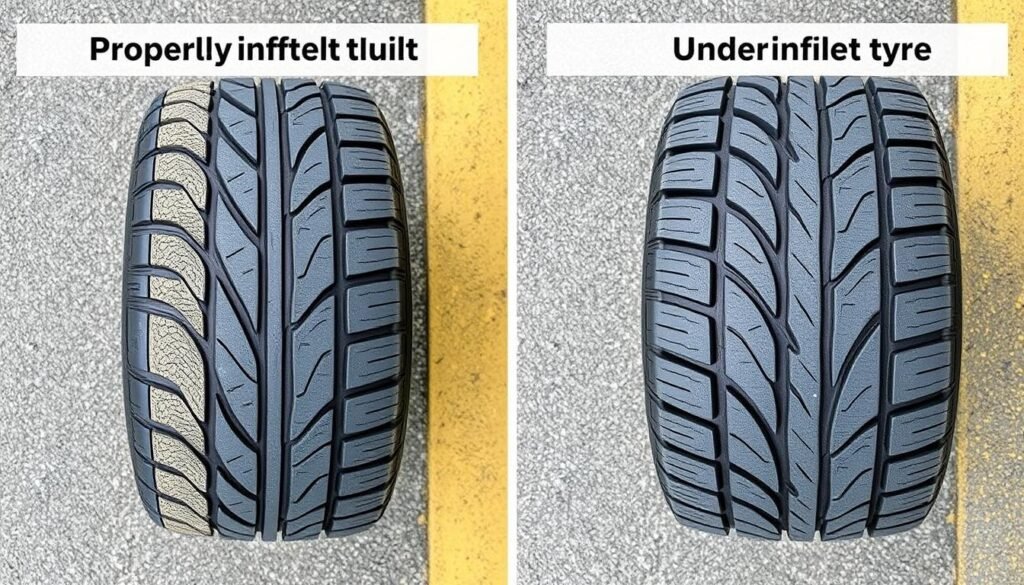
Contact patch comparison: properly inflated tyre (left) vs. underinflated tyre (right)
Beyond these primary benefits, TPMS also contributes to environmental sustainability by reducing fuel consumption and tyre waste. It also helps drivers maintain optimal vehicle performance, as proper tyre pressure ensures balanced handling, comfort, and responsiveness.
TPMS Maintenance and Troubleshooting
Like any vehicle system, TPMS requires proper maintenance to function reliably. Here’s what you need to know about keeping your TPMS in good working condition:
Regular TPMS Maintenance
- Sensor Battery Life: Direct TPMS sensors typically have batteries lasting 5-10 years. Plan for sensor replacement when batteries fail.
- Sensor Inspection: Have sensors checked during tyre service to ensure they’re not damaged.
- System Reset: For indirect TPMS, reset the system after tyre inflation, rotation, or replacement.
- Professional Calibration: After tyre or sensor replacement, ensure proper calibration by a qualified technician.
- Manual Pressure Checks: Despite having TPMS, perform regular manual pressure checks monthly as a backup verification.
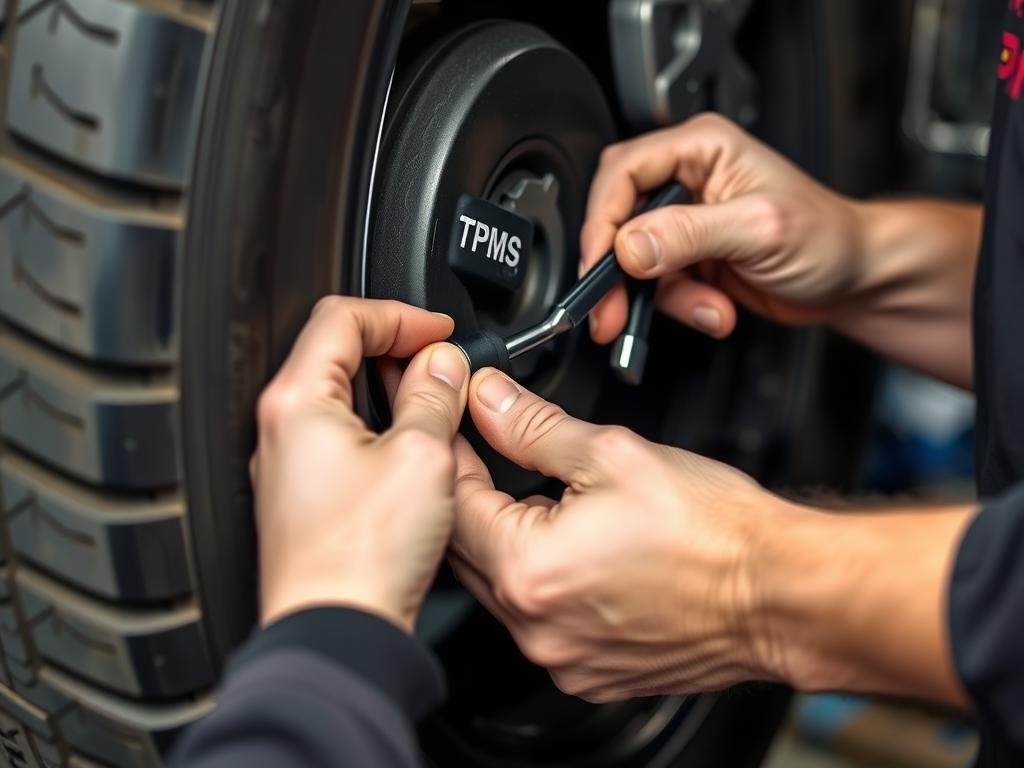
Professional TPMS sensor service during tyre maintenance
Common TPMS Issues and Solutions
| Issue | Possible Causes | Solution |
| TPMS light stays on after inflation | System needs reset, faulty sensor, actual pressure still low | Reset system, verify pressure with gauge, consult technician if persistent |
| TPMS light flashes then stays on | System malfunction, communication error | Diagnostic scan needed, likely requires professional service |
| Intermittent TPMS warnings | Temperature fluctuations, slow leak, sensor battery low | Check pressure when tyres are cold, inspect for slow leaks, consider sensor testing |
| TPMS light after tyre rotation | Sensors in wrong positions, system needs relearning | Professional TPMS relearning procedure required |
Expert TPMS Service at Siddhi Tyre
Our technicians are equipped with the latest tools and expertise to diagnose and resolve any TPMS issues. Visit us for professional tyre and TPMS maintenance.
What to Do When Your TPMS Light Comes On
When your TPMS warning light illuminates, it’s important to take appropriate action. Here’s a step-by-step guide on how to respond:
- Don’t Panic, But Don’t Ignore: The TPMS light indicates a potential safety issue that requires attention, but it’s not usually an immediate emergency unless accompanied by handling problems.
- Find a Safe Location: When convenient and safe, pull over to check your tyres. A gas station with an air pump is ideal.
- Check All Tyres: Use a quality pressure gauge to check all tyres, including the spare if applicable. Remember that visual inspection alone cannot reliably detect underinflation.
- Compare with Recommended Pressure: Check your vehicle’s recommended tyre pressure (found in the owner’s manual, driver’s door jamb, or fuel door).
- Inflate as Needed: Add air to any underinflated tyres to reach the recommended pressure level.
- Inspect for Damage: Look for nails, cuts, bulges, or other damage that might indicate a leak or tyre failure.
- Monitor the Situation: If the light remains on after proper inflation, or returns quickly, seek professional assistance as you may have a leak or system malfunction.
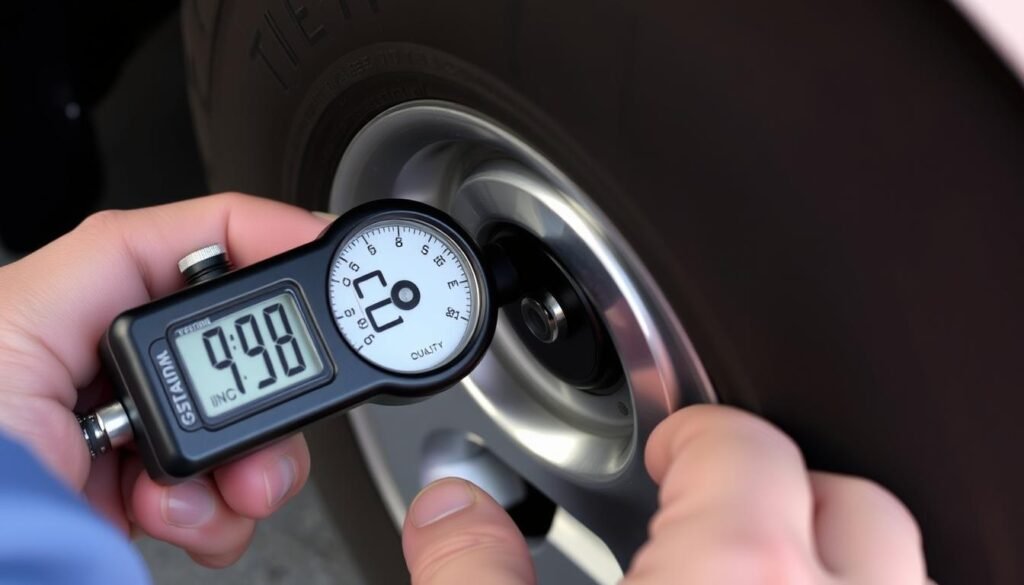
Always use a quality pressure gauge to verify tyre pressure when your TPMS light activates
Important Safety Note: If your TPMS light comes on while driving at high speed or is accompanied by unusual handling, vibration, or noise, reduce speed gradually and pull over as soon as safely possible. These symptoms could indicate a dangerous tyre failure is imminent.
TPMS Legislation and Requirements
Tyre pressure monitoring systems have become mandatory in many countries due to their significant safety benefits. Understanding the legal requirements can help vehicle owners ensure compliance:
Global TPMS Regulations
| Region | Legislation | Implementation Date | Requirements |
| United States | TREAD Act | 2007 | All new vehicles under 10,000 lbs must have TPMS that warns when pressure is 25% below recommended |
| European Union | EC Regulation 661/2009 | 2014 | All new passenger vehicles must have TPMS |
| United Kingdom | EU Regulation (pre-Brexit) | 2014 | All new vehicles must have TPMS; faulty TPMS is an MOT failure since 2015 |
| India | Not mandatory yet | N/A | Optional feature in premium vehicles; regulations under consideration |
In regions where TPMS is mandatory, vehicles must pass inspection with functioning systems. For example, in the UK, a vehicle will fail its MOT test if the TPMS warning light remains illuminated, indicating system failure. This has created a significant aftermarket for TPMS service and replacement parts.
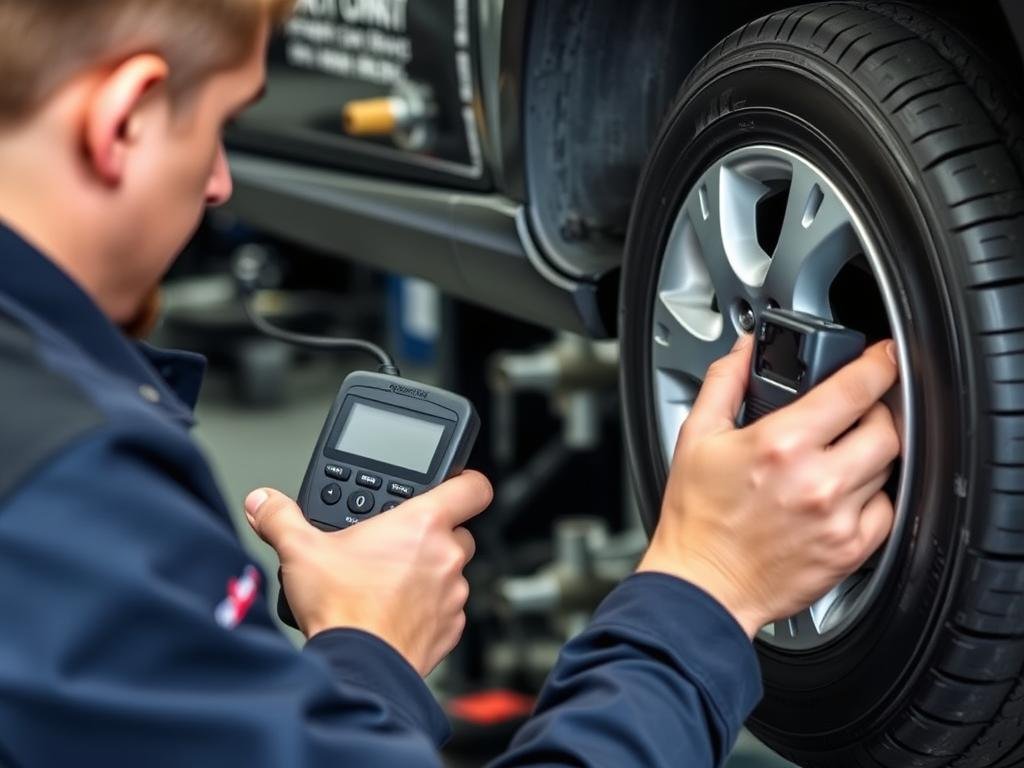
TPMS functionality is checked during vehicle inspections in many countries
Frequently Asked Questions About TPMS
How long do TPMS sensors last?
TPMS sensors typically last between 5-10 years, depending on driving conditions and battery life. The batteries inside direct TPMS sensors are not replaceable, so when the battery dies, the entire sensor must be replaced. Indirect TPMS systems that use ABS sensors don’t have separate batteries for pressure monitoring.
Can I replace TPMS sensors myself?
While technically possible, replacing TPMS sensors usually requires specialized tools for removal, installation, and programming. Most vehicle manufacturers use proprietary sensors that need proper calibration and synchronization with the vehicle’s computer system. For these reasons, professional installation is recommended to ensure proper functionality.
Will the TPMS light come on if tyres are overinflated?
Most standard TPMS systems are designed to warn only about underinflation, not overinflation. However, some premium vehicles with advanced direct TPMS may alert for overinflation as well. Always check your vehicle’s owner manual to understand the specific capabilities of your TPMS system.
Where is the TPMS reset button located?
In most vehicles, the TPMS reset button is located under the steering wheel, sometimes near the OBD port or in the glove compartment. Some vehicles require a specific procedure rather than a simple button press. Consult your owner’s manual for the exact location and reset procedure for your specific vehicle model.
Can I add TPMS to an older vehicle?
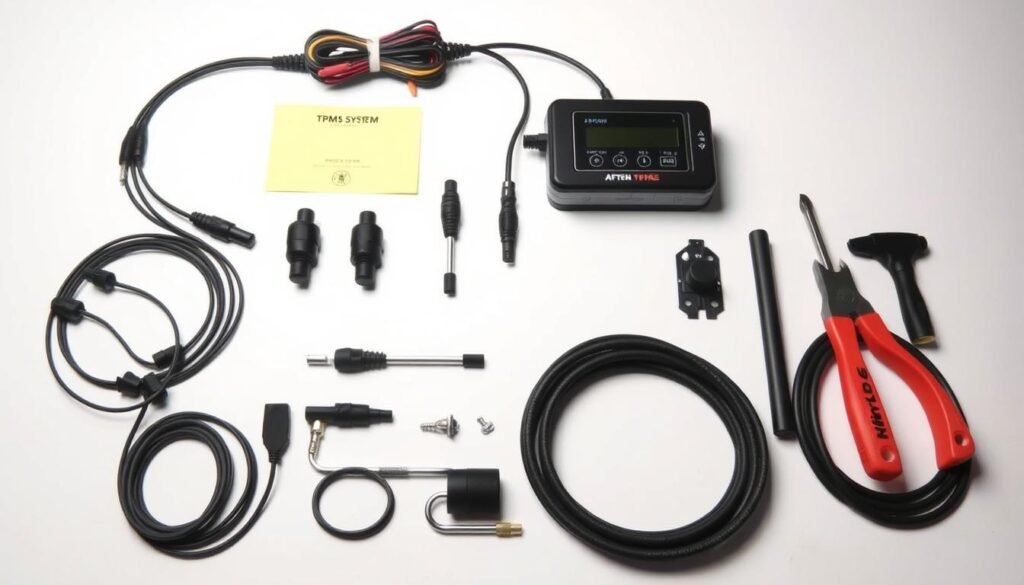
Yes, aftermarket TPMS systems are available for older vehicles. These range from simple valve cap sensors that change color when pressure drops to sophisticated systems with dashboard displays. Professional installation is recommended to ensure proper integration with your vehicle.
Conclusion: The Importance of Understanding Your TPMS
The tyre pressure monitoring system is more than just another dashboard light—it’s a critical safety feature that helps prevent accidents, improves fuel efficiency, and extends tyre life. Understanding how your TPMS works empowers you to respond appropriately when warnings appear and maintain your vehicle properly.
Whether your vehicle uses direct sensors inside each tyre or an indirect system that leverages ABS wheel speed sensors, regular maintenance and prompt attention to warnings are essential. Remember that while TPMS provides valuable alerts, it doesn’t replace the need for regular manual tyre pressure checks as part of your vehicle maintenance routine.
At Siddhi Tyre, we’re committed to helping you maintain optimal tyre performance and safety. Our expert technicians can assist with all aspects of TPMS service, from sensor replacement to system diagnostics and tyre maintenance.
Visit Siddhi Tyre for Complete Tyre Care
From premium tyres to professional TPMS service, we offer comprehensive solutions for all your vehicle needs. Experience the Siddhi Tyre difference today.