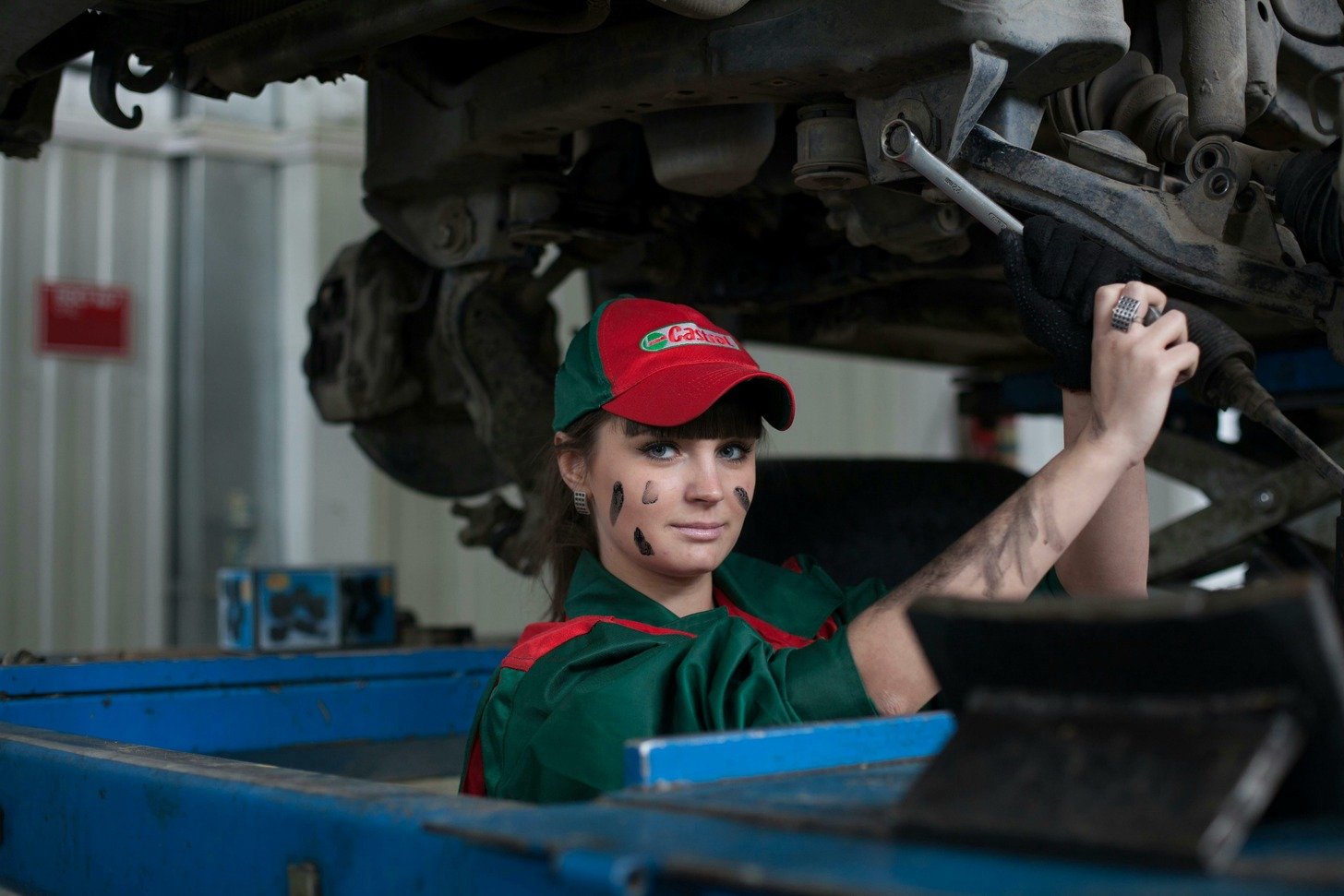
Keeping your car in top condition is crucial for its longevity and performance. Regular car maintenance not only enhances your vehicle’s performance but also contributes to safety on the road.
By following the helpful tips outlined in this article, you can ensure your car runs smoothly and efficiently. We’ll walk you through essential maintenance tasks and provide practical advice on how to keep your vehicle in great shape.
Key Takeaways
- Regular checks can help prevent costly repairs.
- Proper tire pressure improves fuel efficiency.
- Regular oil changes are crucial for engine health.
- Checking brakes and fluids is essential for safety.
- Keeping your car clean protects its exterior and interior.
Understanding the Importance of Vehicle Maintenance
Vehicle maintenance is a crucial aspect of car ownership that is often overlooked. Many drivers fail to realize the significance of regular auto care until they face a major repair or breakdown.
Regular maintenance is not just about keeping your vehicle in good condition; it’s also about ensuring your safety on the road. By staying on top of routine service, you can prevent potential hazards and reduce the risk of accidents.
Why Regular Maintenance Matters
Regular maintenance matters for several reasons. Firstly, it helps to prevent breakdowns by identifying and addressing potential issues before they become major problems. Secondly, it reduces the need for costly repairs by keeping your vehicle’s components in good working order.
- Prevents breakdowns and reduces repair costs
- Ensures your vehicle is running safely and efficiently
- Helps maintain your vehicle’s overall performance and longevity
Common Misconceptions About Vehicle Care
Many car owners have misconceptions about vehicle care. One common myth is that maintenance is only necessary when a problem arises. However, this approach can lead to more severe issues down the line.
Some other misconceptions include:
- Believing that all maintenance tasks are time-consuming and complicated
- Thinking that routine service is not essential for new vehicles
- Assuming that all repairs can be done DIY, without professional help
By understanding the importance of vehicle maintenance and debunking these common misconceptions, you can take a proactive approach to auto care and ensure your vehicle remains in top condition.
Essential Maintenance Tasks for Every Vehicle
To keep your vehicle running smoothly, several key maintenance tasks are essential. These tasks not only improve your vehicle’s performance but also ensure your safety on the road. Regular maintenance can prevent costly repairs down the line, making it a worthwhile investment for any vehicle owner.
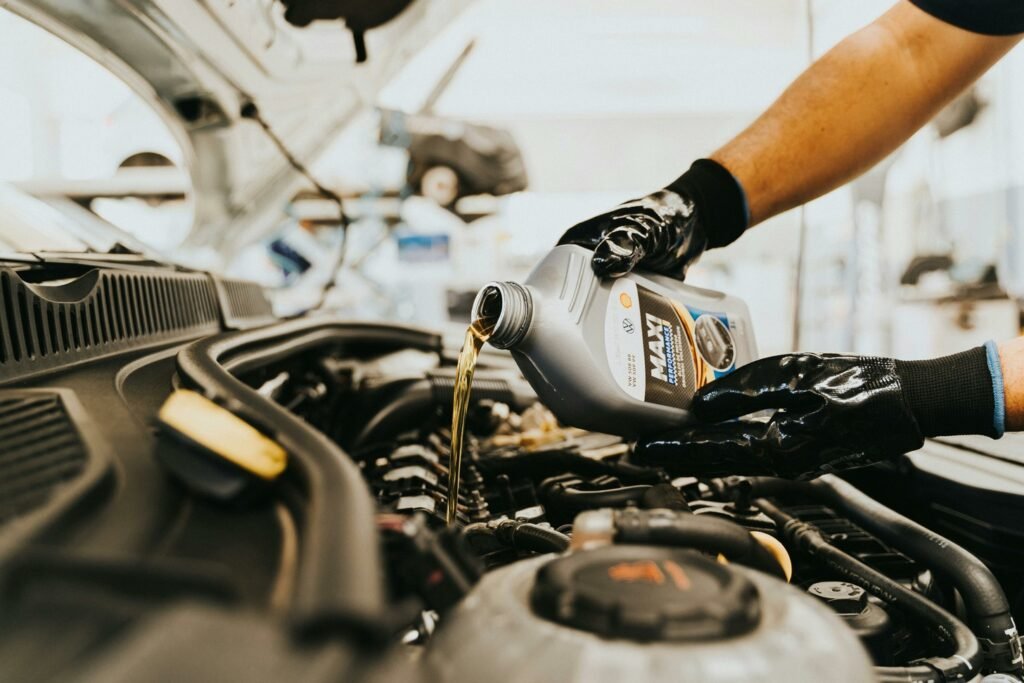
Oil Changes: Frequency and Significance
One of the most critical maintenance tasks is the regular change of engine oil. Engine oil lubricates the engine’s moving parts, prevents overheating, and removes contaminants. Failing to change the oil regularly can lead to engine damage and decreased vehicle performance.
The frequency of oil changes depends on several factors, including the type of oil used, driving conditions, and the vehicle’s make and model. Typically, conventional oil should be changed every 5,000 to 7,500 miles, while synthetic oil can last longer, typically between 7,500 to 10,000 miles.
“Regular oil changes are crucial for extending the life of your vehicle’s engine. It’s a simple task that can save you from costly repairs in the long run.”
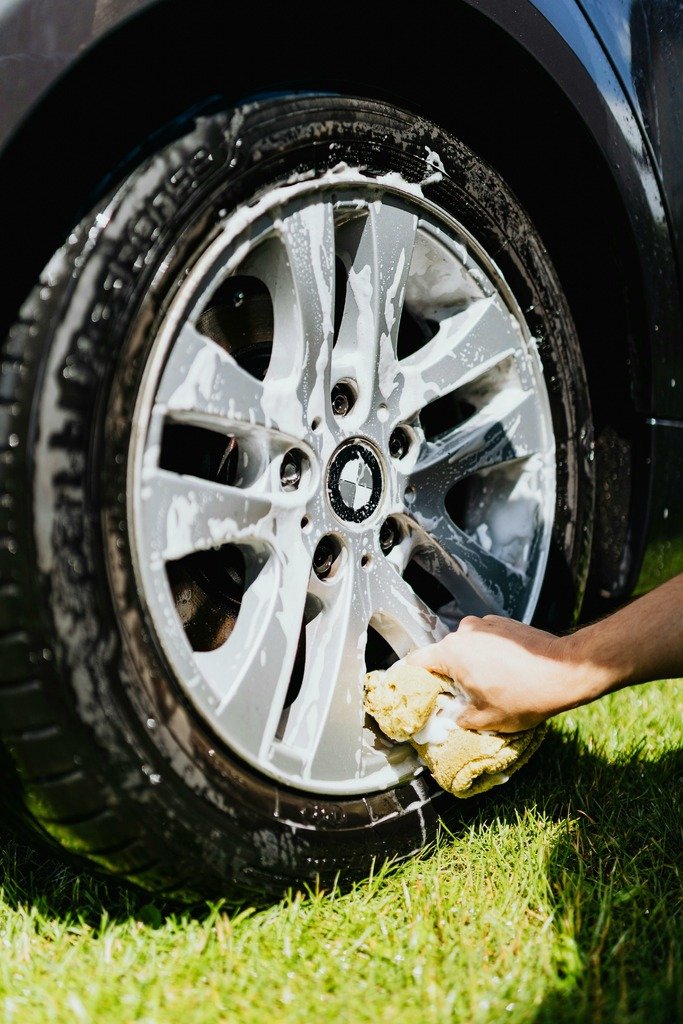
Tire Care: Rotation, Alignment, and Pressure
Proper tire care is vital for even tread wear, improved fuel efficiency, and enhanced safety. This includes regular tire rotation, alignment checks, and maintaining the correct tire pressure.
- Tire Rotation: Rotating tires ensures even wear across all four tires, extending their lifespan.
- Alignment: Proper alignment ensures your vehicle tracks correctly, improving handling and reducing uneven tire wear.
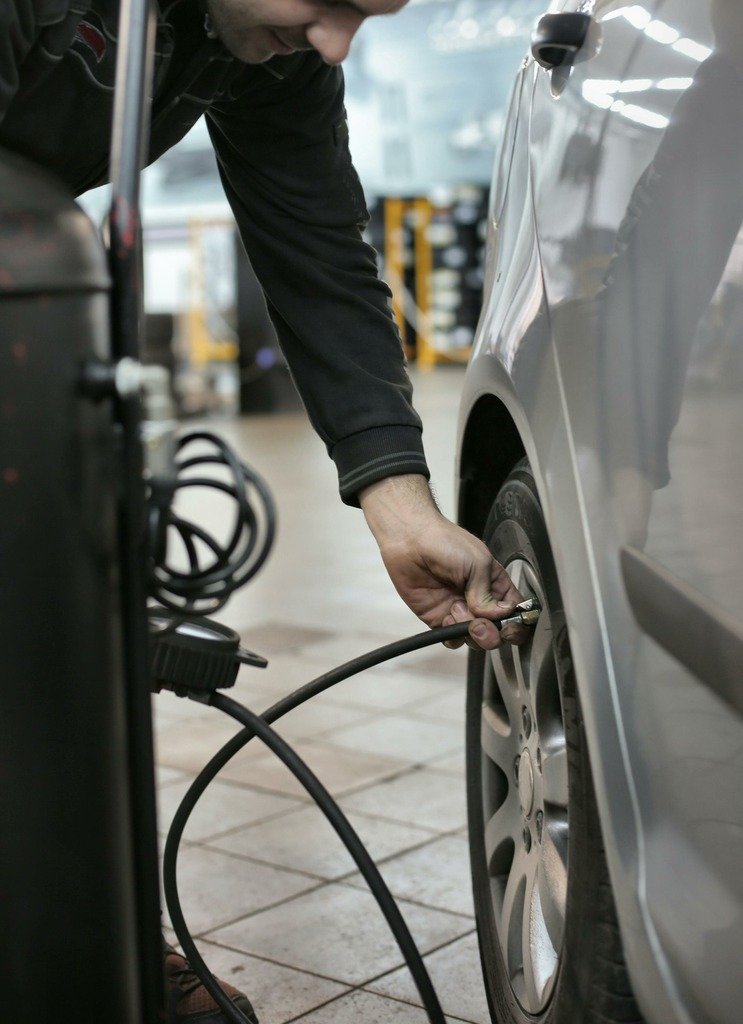
- Tire Pressure: Maintaining the recommended tire pressure improves fuel efficiency and handling.
| Tire Care Task | Frequency | Benefit |
|---|---|---|
| Tire Rotation | Every 6,000 to 8,000 miles | Even tread wear |
| Alignment Check | Every 12,000 miles or when uneven wear is noticed | Improved handling and reduced tire wear |
| Tire Pressure Check | Monthly | Improved fuel efficiency and safety |
Brake Checks: Ensuring Safety on the Road
Brake checks are critical for ensuring your safety on the road. Worn-out brake pads or malfunctioning brakes can lead to accidents. Regular inspections can identify issues before they become major problems.
Signs that your brakes need checking include squealing or grinding noises when applying the brakes, a spongy brake pedal, or the vehicle pulling to one side when braking.
Regular brake checks can save lives by ensuring your vehicle can stop effectively when needed.
Seasonal Vehicle Maintenance Tips
Different seasons bring different challenges for your vehicle, necessitating a tailored maintenance approach. To keep your car running smoothly throughout the year, it’s crucial to follow a seasonal maintenance schedule that addresses the unique demands of each season.

Preparing Your Vehicle for Winter
Winter can be particularly harsh on vehicles, with cold temperatures potentially causing batteries to drain faster, tires to lose pressure, and fluids to thicken. To prepare your vehicle for winter, start by checking your battery’s health and ensuring your tires have adequate tread and are properly inflated.
- Check and replace your windshield wipers if they’re worn out to ensure clear visibility during snow or rain.
- Use winter tires or snow chains if you live in an area prone to heavy snowfall.
- Keep your gas tank at least half full to prevent fuel line freeze.
According to the Car Care Council, “A well-maintained vehicle is crucial for safe driving during the winter months.” Ensuring your vehicle is winter-ready can significantly reduce the risk of accidents and breakdowns.
| Winter Maintenance Task | Importance Level | Frequency |
|---|---|---|
| Battery Check | High | Before Winter |
| Tire Pressure Check | High | Monthly |
| Windshield Wiper Replacement | Medium | As Needed |
Summer Maintenance Essentials
Summer brings its own set of challenges, including high temperatures that can cause your vehicle’s engine to overheat and your tires to overinflate. To keep your vehicle running smoothly during the summer, make sure to check your coolant levels regularly and ensure your air conditioning is working properly.
Key Summer Maintenance Tasks:
- Check coolant levels and top off as necessary.
- Inspect your air conditioning system for leaks or reduced performance.
- Monitor tire pressure regularly, as high temperatures can cause overinflation.
“Regular maintenance is key to extending the life of your vehicle and ensuring it runs efficiently, regardless of the season,” says a leading automotive expert.
By following these seasonal maintenance tips, you can help prevent damage to your vehicle and ensure it continues to run smoothly throughout the year.
In-Depth Look at Fluid Levels
Maintaining the right fluid levels is crucial for your vehicle’s overall health and performance. The fluids in your vehicle serve various critical functions, from lubricating moving parts to cooling the engine and enabling the brakes to function properly.
Neglecting these fluids can lead to serious damage, decreased performance, and even safety hazards. Therefore, understanding the different types of fluids, their roles, and how to maintain them is essential for any vehicle owner.
Checking and Replacing Engine Oil
Engine oil is perhaps the most critical fluid in your vehicle, responsible for lubricating the engine’s moving parts, reducing friction, and helping to cool the engine. Regular oil changes are vital to remove contaminants and maintain the oil’s lubricating properties.
To check your engine oil: Ensure your vehicle is parked on a level surface, turn off the engine, and let it sit for a few minutes. Then, locate the oil dipstick, pull it out, and wipe it clean. Insert it back into the oil reservoir and pull it out again to check the level. The oil level should be between the minimum and maximum marks on the dipstick.
If the level is low, you’ll need to add the appropriate type of oil. It’s also important to check the oil’s color and consistency; dark or dirty oil may indicate it’s time for an oil change.

Understanding Coolant Understanding Coolant and Antifreeze
Coolant, also known as antifreeze, plays a crucial role in regulating your engine’s temperature, preventing it from overheating in the summer and freezing in the winter. A 50/50 mix of coolant and water is typically recommended, but always check your vehicle’s manual for the manufacturer’s specifications.
To check your coolant level: Locate the coolant reservoir, usually a transparent plastic tank with level markings. The level should be between the minimum and maximum marks. If it’s low, you’ll need to top it off with the correct type of coolant.
Brake Fluid: Importance and Maintenance
Brake fluid is essential for the proper functioning of your vehicle’s braking system. It transfers the pressure applied to the brake pedal to the brake calipers, which clamp the brakes to stop the vehicle.
To check your brake fluid: Locate the brake fluid reservoir, usually marked with level indicators. The level should be at or near the maximum mark. Low brake fluid can indicate worn brake pads or a leak in the system, both of which require immediate attention.
By staying on top of these fluid levels and performing regular checks, you can prevent engine damage, ensure your vehicle runs efficiently, and maintain safety on the road. As a vehicle owner, taking proactive steps in fluid maintenance is a simple yet effective way to extend the life of your vehicle.
“Regular maintenance is crucial for the longevity and health of your vehicle. By understanding and maintaining your vehicle’s fluid levels, you’re not just preventing damage; you’re ensuring a smoother, safer driving experience.”
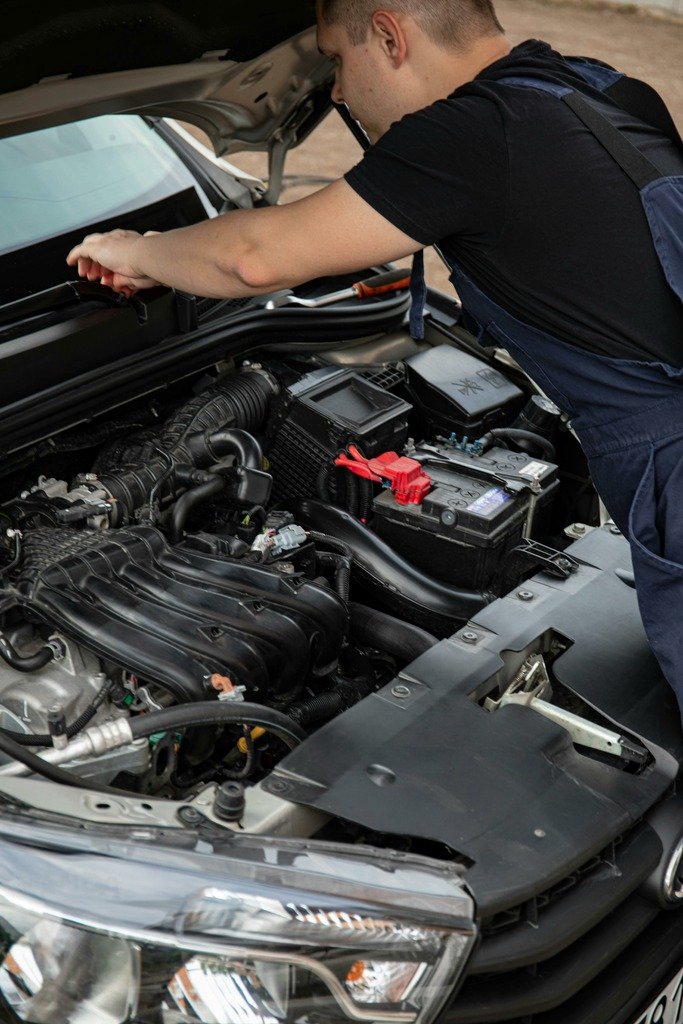
Battery Maintenance and Lifespan
Understanding battery maintenance is key to preventing unexpected breakdowns. A well-maintained battery ensures your vehicle starts reliably and runs smoothly. In this section, we’ll explore the critical aspects of battery care.
Signs of a Failing Battery
Recognizing the signs of a failing battery can help you avoid being stranded. Common indicators include:
- A slow engine crank when starting the vehicle
- Dim or flickering headlights
- Swollen or bloated battery case
- Old age – most batteries last between 3 to 5 years
If you notice any of these signs, it’s essential to take action. Preventative maintenance can help extend the life of your battery.
Tips for Extending Battery Life
To maximize your battery’s lifespan, follow these simple tips:
- Keep the battery terminals clean and free of corrosion.
- Avoid deep discharging – try to start your vehicle regularly.
- Ensure your vehicle’s electrical system is functioning correctly.
- Avoid extreme temperatures by parking in shaded areas or using a battery insulator.
By following these preventative maintenance tips, you can significantly extend the life of your vehicle’s battery.
When to Replace Your Battery
Knowing when to replace your battery is crucial. If your battery is more than 3 years old and you’re experiencing starting issues, it might be time for a replacement. Additionally, if you’ve noticed any of the signs of a failing battery mentioned earlier, consider having your battery tested or replaced.
Replacing your battery before it fails completely can save you from the hassle of a breakdown. Regular preventative maintenance checks can help you stay on top of your battery’s health.
The Role of Filters in Vehicle Health
Understanding the role of filters in your vehicle can lead to better maintenance habits. Filters are crucial components that ensure your vehicle runs smoothly and efficiently. Regular vehicle inspections often highlight the importance of these filters.
Air Filters: Importance and Replacement
Air filters are vital for ensuring that the air entering your engine is clean and free from debris. A dirty air filter can lead to decreased performance and fuel efficiency. It’s recommended to check your air filter during routine maintenance and replace it as needed.
Cabin Filters: Enhancing Air Quality Inside
Cabin filters improve the air quality inside your vehicle by filtering out dust, pollen, and other pollutants. Regular replacement is necessary to maintain a healthy environment inside your car. A clean cabin filter can also reduce allergens and improve the overall driving experience.
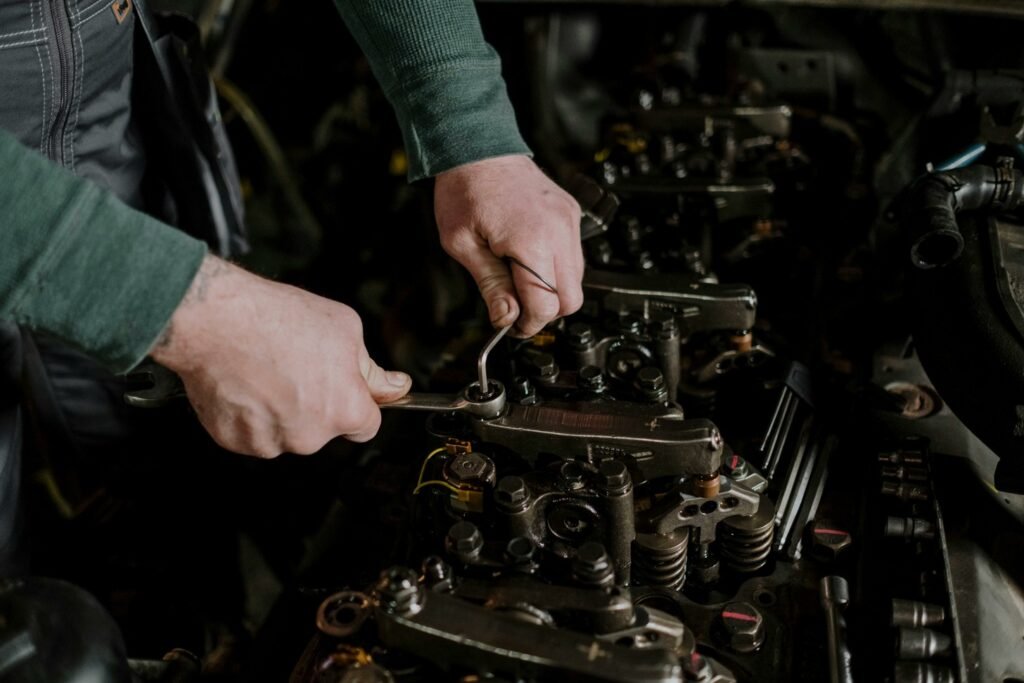
Fuel Filters: Keeping Your Engine Running Smoothly
Fuel filters ensure that the fuel entering your engine is clean, thereby protecting your engine from damage. Clogged fuel filters can lead to poor engine performance, decreased fuel efficiency, and potentially costly repairs. Regularly checking and replacing your fuel filter is a crucial part of vehicle maintenance.
| Filter Type | Recommended Replacement Interval |
|---|---|
| Air Filter | Every 15,000 to 30,000 miles |
| Cabin Filter | Every 12,000 to 18,000 miles |
| Fuel Filter | Every 20,000 to 40,000 miles |
By understanding and maintaining your vehicle’s filters, you can ensure your vehicle continues to run efficiently and effectively. Regular vehicle inspections will help identify when filters need to be replaced, keeping your vehicle in top condition.
Scheduled Maintenance vs. On-the-Spot Repairs
Understanding the difference between routine maintenance and on-the-spot repairs is crucial for your vehicle’s longevity. Regular maintenance is scheduled based on the manufacturer’s recommendations and is designed to prevent problems, while on-the-spot repairs are necessary when an unexpected issue arises.
Understanding the Manufacturer’s Schedule
The manufacturer’s maintenance schedule is a tailored guide that outlines when your vehicle needs specific services, such as oil changes, tire rotations, and brake checks. Following this schedule is essential to ensure your vehicle operates efficiently and safely. As Car and Driver magazine notes, “sticking to the recommended maintenance schedule can significantly extend the life of your vehicle.”
It’s crucial to familiarize yourself with your vehicle’s manual to understand the recommended maintenance intervals. Some modern vehicles have advanced systems that alert you when maintenance is due, making it easier to stay on track.
When to Seek Immediate Assistance
Despite regular maintenance, unexpected issues can arise. Knowing when to seek immediate assistance is vital to prevent minor problems from becoming major repairs. For instance, if you notice unusual noises, vibrations, or warning lights on your dashboard, it’s wise to consult a professional mechanic promptly.
“A stitch in time saves nine,” as the saying goes, and this is particularly true for vehicle maintenance. Ignoring early signs of trouble can lead to costly repairs down the line. As
“The best way to avoid costly repairs is to stay on top of maintenance and address issues as soon as they arise,”
suggests a seasoned mechanic.
- Monitor your vehicle’s performance regularly.
- Be aware of any changes in how your vehicle handles or sounds.
- Don’t hesitate to seek professional help when you notice something amiss.
The Benefits of Keeping Maintenance Records
One of the most overlooked aspects of car ownership is maintaining accurate maintenance records. Keeping track of your vehicle’s maintenance history is not just about having a record; it’s about ensuring your car remains in good condition and potentially increasing its resale value.
Organizing Your Vehicle’s Maintenance History
To effectively organize your vehicle’s maintenance history, it’s essential to keep a detailed log of all services, repairs, and replacements. This can include:
- Oil change records
- Tire rotation and replacement dates
- Brake pad replacements
- Any diagnostic checks or repairs
Using a digital tool or a physical logbook can help keep this information organized. For instance, a table like the one below can be useful:
| Date | Service/ Repair | Mileage | Notes |
|---|---|---|---|
| 02/01/2023 | Oil Change | 30,000 | Synthetic oil used |
| 05/15/2023 | Tire Rotation | 35,000 | Rotated front to back |
Resale Value Impact
Maintaining good records can have a significant impact on your vehicle’s resale value. According to a study, vehicles with comprehensive maintenance records can command a higher price in the resale market because they provide assurance to potential buyers about the vehicle’s condition.
“A well-maintained vehicle with detailed service history can increase buyer confidence and potentially lead to a higher resale price.” – Automotive Expert
Key benefits of good maintenance records include:
- Increased buyer confidence
- Potential for higher resale value
- Better understanding of the vehicle’s history
DIY Maintenance vs. Professional Help
When it comes to maintaining your vehicle, one of the most critical decisions you’ll make is whether to tackle tasks yourself or seek professional help. Understanding your vehicle’s maintenance needs and following a maintenance schedule can guide you in making this decision. Regular automotive upkeep is crucial for the longevity and performance of your vehicle.
When to Tackle Maintenance Yourself
Tackling maintenance tasks yourself can be cost-effective and rewarding. Simple tasks such as checking and topping off fluids, replacing air filters, and inspecting belts and hoses can often be handled by vehicle owners with basic knowledge. However, it’s essential to know your limits and not hesitate to seek professional help when needed.
- Check your owner’s manual for guidance on DIY tasks.
- Start with simple tasks to gain experience and confidence.
- Be aware of your vehicle’s specific needs based on its make, model, and age.
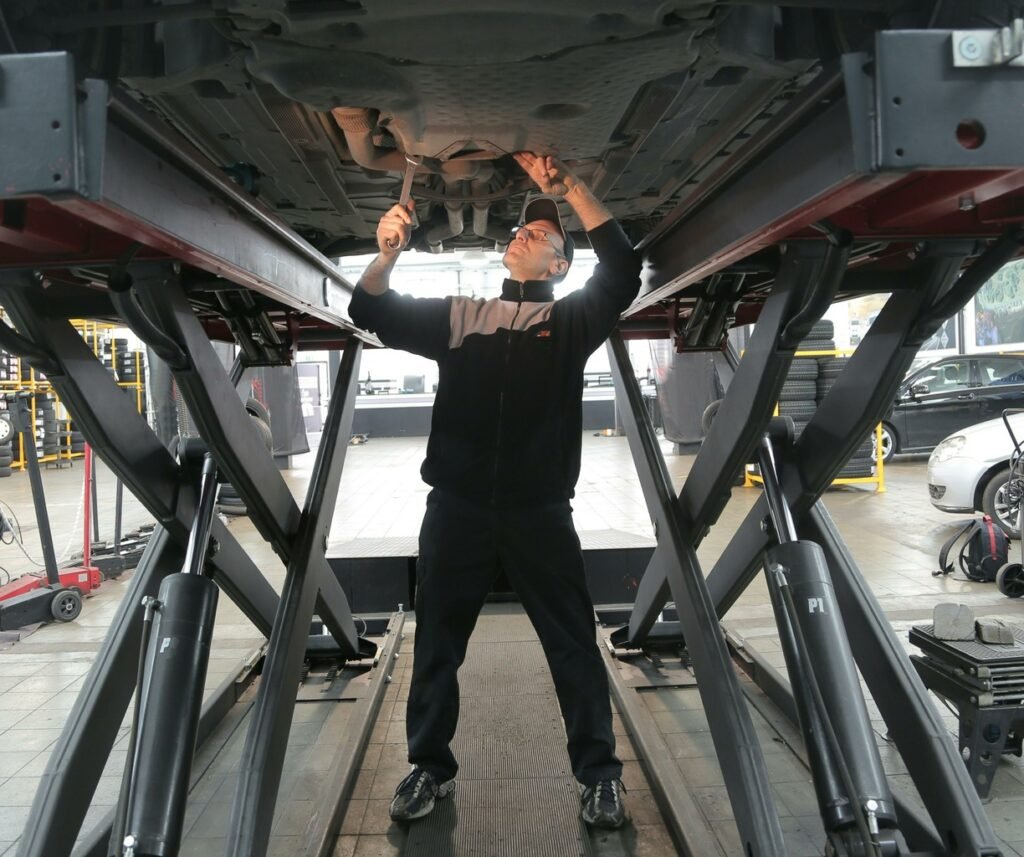
Finding the Right Mechanic
When professional help is required, finding the right mechanic is crucial. Look for mechanics who are certified, have good reviews, and provide clear estimates. A good mechanic can help you stay on track with your maintenance schedule and address any issues before they become major problems.
“A good mechanic is like a doctor for your car; they diagnose the problem and provide the right treatment.”
To find a reliable mechanic, ask for referrals from friends, family, or online communities. Check for certifications like ASE (National Institute for Automotive Service Excellence) and ensure they have experience with your vehicle’s make.
Eco-Friendly Vehicle Maintenance Practices
As vehicle owners, adopting eco-friendly practices is crucial for reducing our environmental footprint. By incorporating sustainable methods into our engine maintenance, preventative maintenance, and vehicle inspection routines, we can significantly minimize waste and promote a healthier environment.
Waste Reduction Strategies
Reducing waste during maintenance is a critical aspect of eco-friendly vehicle care. This can be achieved by properly disposing of used materials such as oil filters, tires, and other parts. Many auto parts stores and service centers offer recycling programs for these items, making it easier to dispose of them responsibly.

Sustainable Products for Vehicle Maintenance
Choosing sustainable products is another vital step in eco-friendly vehicle maintenance. Look for products with minimal packaging, made from recycled materials, or those that are biodegradable. For instance, synthetic oil and eco-friendly cleaning products can significantly reduce environmental impact. Regular vehicle inspection can also help identify areas where sustainable practices can be applied, such as replacing traditional filters with eco-friendly alternatives.
By embracing these eco-friendly practices, vehicle owners can contribute to a more sustainable future while maintaining their vehicles effectively.
Officail Website — [ Siddhi Tyre ]
Official India Mart — [ Siddhi Tyre India Mart ]
Offical Number — [ Call Now ]
Official WhatsApp — [ Whats App Now ]
FAQ
How often should I change my vehicle’s oil?
The frequency of oil changes depends on several factors, including the type of oil used, driving conditions, and the manufacturer’s recommendations. Typically, oil changes are needed every 5,000 to 7,500 miles. Regular oil changes are essential for maintaining your vehicle’s engine health and preventing damage.
What are the signs that my vehicle’s battery is failing?
Signs of a failing battery include slow engine crank, dim or flickering headlights, and a swollen or bloated battery case. If you notice any of these symptoms, it’s a good idea to have your battery tested and potentially replaced to avoid being stranded with a dead battery.
Why is tire rotation important for my vehicle?
Tire rotation is crucial for ensuring even tread wear, improving traction, and extending the life of your tires. Uneven wear can lead to reduced fuel efficiency, compromised handling, and increased risk of tire failure. Regular tire rotation is a key aspect of vehicle maintenance and should be performed according to the manufacturer’s schedule.
How can I extend the life of my vehicle’s battery?
To extend the life of your vehicle’s battery, avoid deep discharging, keep the terminals clean, and avoid extreme temperatures. Regular maintenance, such as checking the battery’s state of charge and ensuring the charging system is functioning properly, can also help prolong its lifespan.
What is the importance of maintaining proper fluid levels in my vehicle?
Maintaining proper fluid levels is critical for your vehicle’s engine and overall performance. Engine oil, coolant, antifreeze, and brake fluid all play vital roles in keeping your vehicle running smoothly. Low fluid levels or contaminated fluids can lead to engine damage, overheating, and safety issues, making regular checks and maintenance essential.
When should I replace my vehicle’s air filter?
The frequency of air filter replacement depends on driving conditions and the manufacturer’s recommendations. Typically, air filters should be replaced every 15,000 to 30,000 miles. A dirty or clogged air filter can decrease fuel efficiency, performance, and overall engine health, making regular replacement important.
Can I perform vehicle maintenance tasks myself, or should I seek professional help?
While some maintenance tasks, such as oil changes and tire rotations, can be performed by DIY enthusiasts, more complex tasks may require professional assistance. It’s essential to assess your own capabilities and the complexity of the task to determine whether to tackle it yourself or seek the help of a qualified mechanic.
How can I keep track of my vehicle’s maintenance history?
Keeping accurate records of your vehicle’s maintenance history is crucial for ensuring you stay on top of necessary tasks and can demonstrate to potential buyers that your vehicle has been well cared for. You can organize your records by keeping a log of services, repairs, and replacements, along with receipts and invoices.